
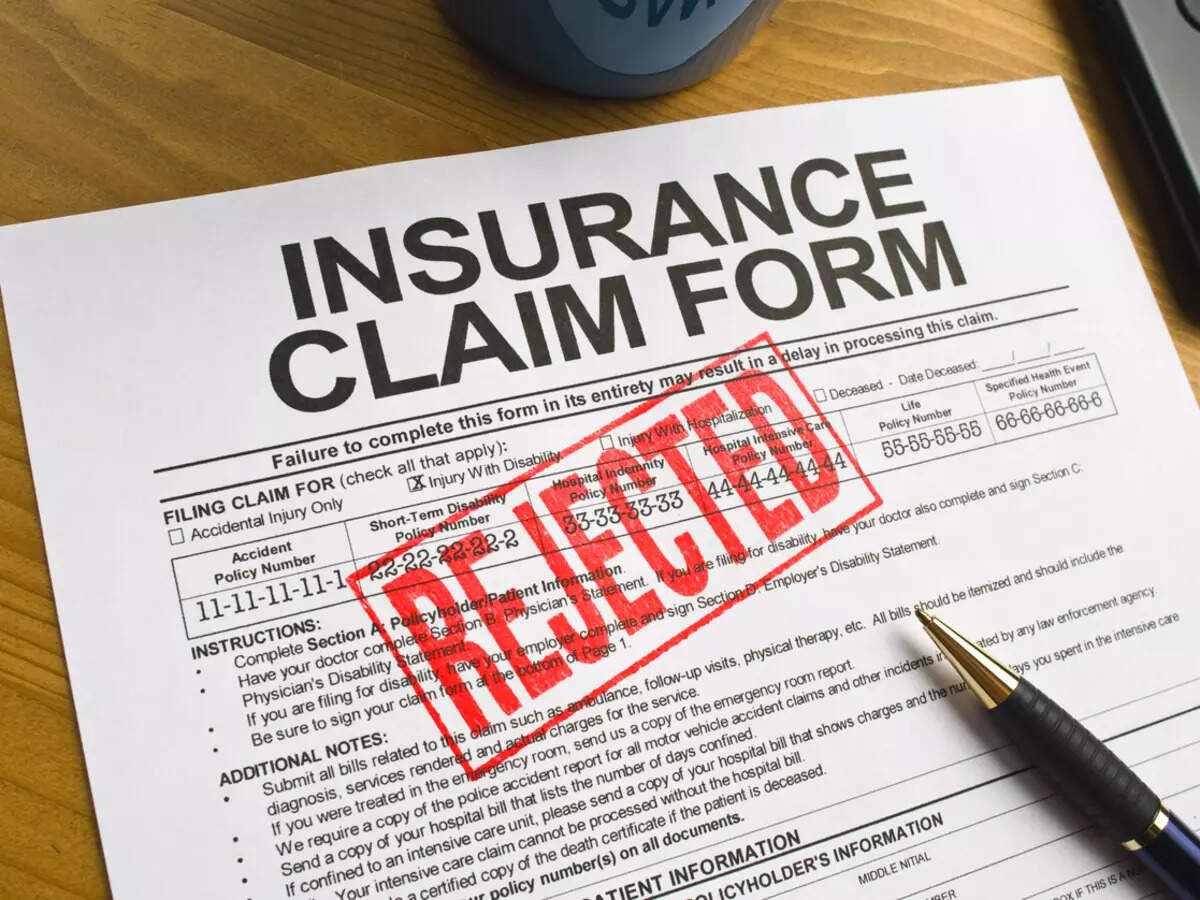
Health insurance claim rejected due to incorrect procedure code India is a situation that leaves many people confused because everything else seems correct — treatment was done, documents were submitted, and yet the claim gets denied.
In most cases, this type of rejection is not about your medical condition but about how the treatment was recorded and submitted. A small coding error at the hospital level can lead to claim rejection or delay.
The good part is — this is one of the few issues that can often be corrected and resubmitted successfully if handled properly.
What Is a Procedure Code in Health Insurance?
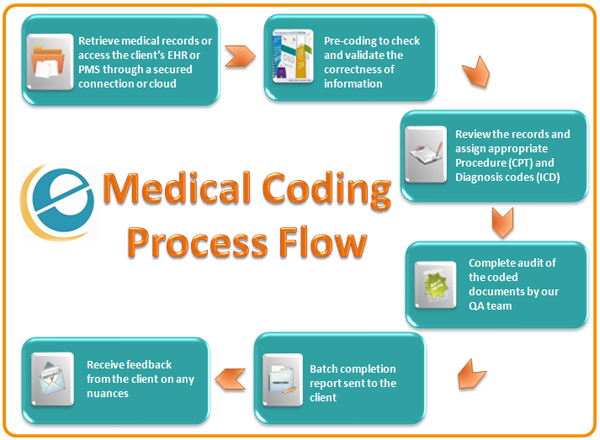
Every treatment or medical procedure is assigned a standard code. These codes are used by hospitals and insurers to identify what treatment was performed.
Instead of long descriptions, insurers rely on these codes to quickly process claims.
For example:
- A surgery will have a specific procedure code
- Diagnostic tests may have different codes
- Each code links to a predefined billing and approval structure
These codes help insurers ensure consistency and prevent incorrect billing.
Why Do Claims Get Rejected Due to Incorrect Procedure Code?
This issue usually happens due to mismatch or errors in documentation.
1. Wrong Code Entered by Hospital
Sometimes the hospital submits an incorrect code for the treatment performed.
2. Mismatch Between Diagnosis and Procedure
If the procedure code does not align with the diagnosis, the insurer may question the claim.
This is similar to situations explained in
diagnosis and treatment mismatch claim rejection cases, where inconsistency leads to denial.
3. Coding System Differences
Different hospitals may use different coding practices, which can create confusion.
4. Data Entry Errors
Simple typing mistakes can lead to incorrect codes being submitted.
How This Problem Happens in Real Life
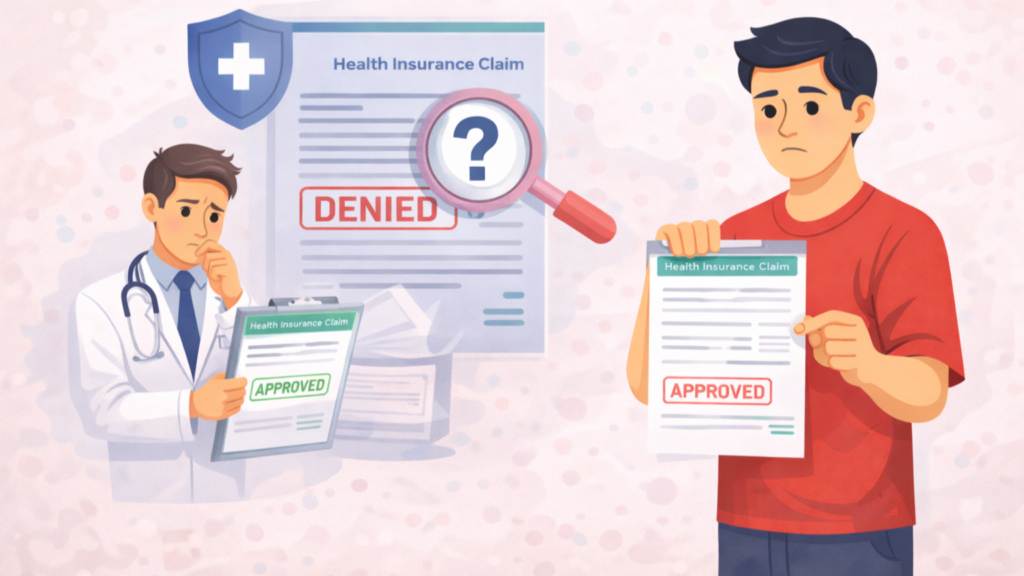
Let’s take a practical example.
A patient undergoes a minor surgical procedure. The hospital enters a code meant for a different or more complex procedure.
When the insurer reviews the claim:
- The diagnosis does not match the procedure code
- The billing appears inconsistent
As a result, the claim is either rejected or put on hold.
From the patient’s perspective, everything feels correct. But from the insurer’s system, it looks like an error.
Is This a Serious Issue or Just a Technical Error?
In most cases, this is a technical issue rather than a permanent rejection.
That means:
- The treatment itself is not being denied
- The problem lies in how it was documented
This is why it’s important not to panic and instead focus on correcting the error.
What You Should Do If Your Claim Is Rejected Due to Coding Error

Handling this correctly can make a big difference.
Step 1: Ask for Detailed Rejection Reason
Get written confirmation mentioning procedure code mismatch or error.
Step 2: Contact Hospital Billing Department
Explain the issue and ask them to verify the submitted code.
Step 3: Request Correction and Revised Documents
If an error is found, ask the hospital to correct and reissue documents.
Step 4: Resubmit the Claim
Submit the corrected documents to the insurer.
If you’re unsure how to communicate this clearly, this guide on
writing an appeal email for claim rejection in India can help you draft your request properly.
Documents You May Need for Correction
To resolve coding issues, keep these ready:
- Revised hospital bill
- Corrected discharge summary
- Doctor’s clarification note
- Diagnostic reports
These help establish that the treatment and coding now match correctly.
In many cases, claim issues are not just about coding errors but also about how documents are prepared and submitted. If anything is unclear or incomplete, it can delay or affect approval, which is why understanding how
documentation issues impact health insurance claims in India can help you avoid further complications.
Common Mistakes That Lead to Coding Errors
Understanding these can help you avoid future issues:
- Hospitals rushing billing process
- Incomplete medical documentation
- Incorrect interpretation of treatment
- Lack of verification before submission
Even a small oversight can lead to rejection.
How Long Does It Take to Fix Such Issues?
Timeline depends on how quickly the hospital responds.
- Correction by hospital: 2–5 days
- Resubmission and review: 7–15 days
Delays usually happen when follow-up is not done properly.
Sometimes, even after correction and approval, there can be delays in actual payment due to internal processing or verification. If that happens, it helps to understand what to do when a
claim is approved but not paid in India and how to follow up effectively.
What If the Hospital Refuses to Correct the Error?
This can be challenging, but you still have options.
You can escalate the issue to the insurer and explain that the coding error is preventing claim approval.
In some cases, insurers may directly coordinate with the hospital.
If needed, you can also escalate further through the grievance process explained in
how to appeal insurance claim denial in India.
How to Prevent This Issue in Future
While you may not control hospital processes fully, you can take a few precautions:
- Ask hospital to explain treatment details clearly
- Verify discharge summary before leaving hospital
- Keep copies of all reports
- Check claim documents before submission
Being slightly proactive can avoid unnecessary complications later.
When Coding Issues Lead to Bigger Problems
Sometimes, coding mismatch is linked with other issues like incomplete records or unclear diagnosis.
If multiple issues exist, the claim may go under detailed review.
In such cases, understanding how a
claim under investigation works in India can help you know what to expect.
A Practical Tip That Helps
Always ask the hospital for a clear explanation of the treatment and how it is documented.
This small step ensures that both medical and billing records are aligned.
It may seem minor, but it can prevent major claim issues.
How Hospitals Submit Procedure Codes to Insurers
To understand why coding errors happen, it helps to know how the process actually works.
When you undergo treatment, the hospital prepares your medical records and billing details. Along with this, they assign a procedure code that represents the treatment performed.
This information is then sent to the insurer or TPA for approval or reimbursement.
In many hospitals, this process is handled by the billing or insurance desk, not directly by the doctor. Because of this, there can sometimes be a gap between what was medically done and what gets recorded in the system.
This is where small mistakes can creep in.
Difference Between Minor Coding Error and Major Mismatch
Not all coding issues are the same.
Minor Error
This could be a small variation in code that still relates to the same treatment. These are usually easier to correct.
Major Mismatch
This happens when the submitted code represents a completely different procedure.
In such cases:
- The insurer may suspect incorrect billing
- The claim may be rejected or investigated
Understanding the type of error helps you decide how to respond.
Can the Hospital Resubmit the Claim Directly?
Yes, in many cases, hospitals can correct and resubmit the claim, especially in cashless treatment cases.
If your claim was processed through a TPA, the hospital can coordinate directly with them to fix the issue.
However, for reimbursement claims, you may need to collect corrected documents and submit them yourself.
This is why staying in touch with both the hospital and insurer is important.
Why Quick Action Matters in Coding Errors
Unlike some other claim issues, coding errors are easier to fix — but only if you act quickly.
Delays can lead to:
- Claim closure
- Additional documentation requests
- Longer processing time
As soon as you notice the issue, start the correction process immediately.
Simple Checklist to Avoid Coding Issues in Future
You don’t need medical knowledge to avoid these problems. A few simple checks can help:
- Review discharge summary before leaving hospital
- Ask hospital to confirm treatment details in writing
- Keep copies of all documents
- Cross-check claim form before submission
These steps may take a few extra minutes but can save a lot of trouble later.
Frequently Asked Questions
What is a procedure code in health insurance?
A procedure code is a standardized code used to represent a specific medical treatment or procedure for claim processing and billing purposes.
Can a claim be rejected due to coding error?
Yes, if the procedure code does not match the diagnosis or treatment, the insurer may reject or delay the claim.
Can incorrect procedure code be corrected?
In most cases, yes. The hospital can revise the code and resubmit the documents, or you can submit corrected documents for reimbursement claims.
Who is responsible for procedure code errors?
Usually, the hospital billing or insurance desk assigns the code, so errors typically occur at the hospital level.
How long does it take to resolve coding errors?
It can take 7–20 days depending on how quickly the hospital corrects the documents and the insurer processes the updated claim.
Final Thoughts
Facing a health insurance claim rejected due to incorrect procedure code India situation can be frustrating, especially when everything else seems correct.
But the key thing to remember is — this is usually a correctable issue.
With proper coordination between you, the hospital, and the insurer, many such claims get approved after correction and resubmission.
Staying calm, understanding the issue, and taking timely action makes all the difference.