

Health insurance claim rejected doctor not on panel India is a confusing situation for many policyholders. You choose a network hospital, follow the treatment process, and still your claim gets rejected or partially denied.
When you check the reason, it says the doctor was “not on panel.” This leaves most people wondering — if the hospital is approved, why should the doctor matter?
The answer lies in how insurance networks actually work, and understanding this can help you handle the situation better.
What Does “Doctor Not on Panel” Mean?
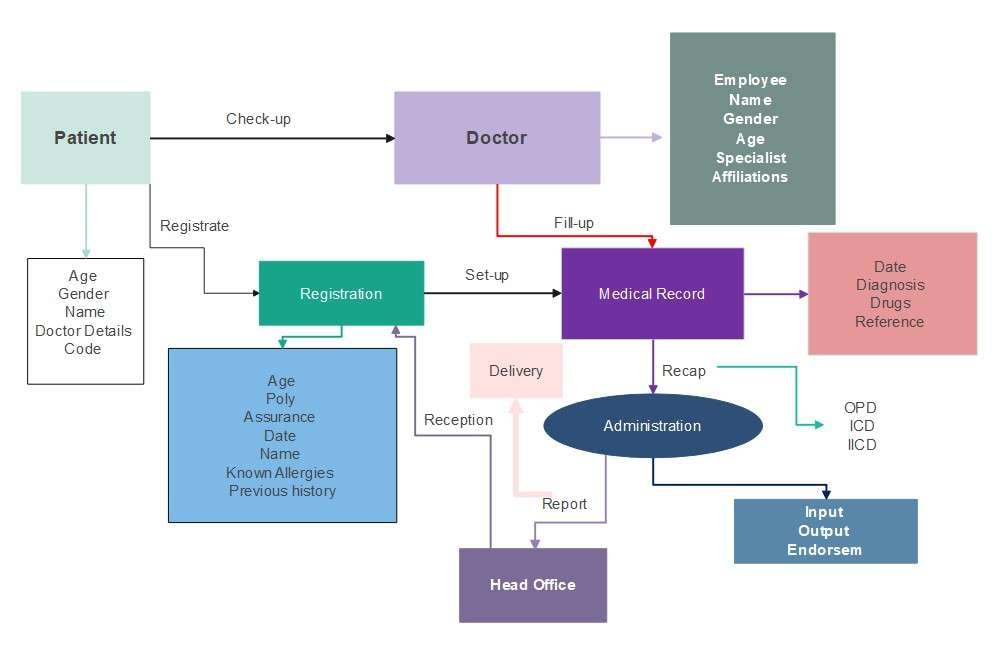
Insurance companies and TPAs maintain a list of approved hospitals and sometimes even approved doctors for specific treatments.
When a doctor is “on panel,” it means they are recognized under the insurer’s network agreement.
If the doctor treating you is not part of that panel:
- The insurer may question the treatment
- Cashless approval may be denied
- Claim may be rejected or reduced
This is more common than people think, especially in multi-specialty hospitals where not every doctor is empanelled.
Hospital Is Network, So Why Does Doctor Matter?
This is the most confusing part.
Many people assume that once a hospital is in the network, all treatments within that hospital are automatically covered.
But in reality:
- Hospital network approval ensures infrastructure and billing alignment
- Doctor empanelment ensures treatment credibility and agreed cost structure
If either of these is outside the insurer’s framework, issues can arise.
Common Situations Where This Problem Happens
Let’s look at some actual scenarios.
1. Visiting a Specialist Not Linked to Insurer
A specialist doctor may practice in a network hospital but may not be part of the insurer’s approved panel.
2. Emergency Admission
In emergencies, patients are treated by available doctors without checking panel status.
3. Doctor Change During Treatment
The initially approved doctor may be replaced by another doctor who is not on panel.
In such cases, even though treatment is genuine, the claim may face issues.
Is This a Full Rejection or Partial Issue?
In many cases, this does not lead to complete rejection.
Instead, it results in:
- Partial settlement
- Denial of specific charges
- Conversion from cashless to reimbursement
If you’ve experienced this, understanding how
partial settlement works in health insurance claims can help you decide your next step.
What You Should Do Immediately

If you come to know about this issue during treatment, act quickly.
1. Speak to Hospital Insurance Desk
Ask if another empanelled doctor can take over or co-sign the case.
2. Request Clarification from TPA/Insurer
Sometimes exceptions are allowed, especially in emergencies.
3. Keep All Documents Ready
Ensure complete documentation of treatment.
Taking action early can reduce complications later.
What If Your Claim Is Already Rejected?
If you find out after discharge, don’t worry — you still have options.
Step 1: Understand Exact Reason
Check whether rejection is due to doctor panel issue alone or combined with other reasons.
Step 2: Collect Supporting Documents
- Doctor’s notes
- Treatment summary
- Hospital justification
Step 3: Submit an Appeal
Explain the situation clearly.
If you’re not sure how to write it properly, this guide on
writing an appeal email for claim rejection in India can help you structure your response.
Can You Still Get Reimbursement?
Yes, in many cases.
Even if cashless claim is denied, you can submit a reimbursement claim.
However, approval depends on:
- Policy terms
- Medical necessity
- Documentation quality
This is similar to situations where
pre-authorization was not taken, and reimbursement becomes the fallback option.
Common Mistakes to Avoid
Many policyholders unknowingly create issues by:
- Not verifying doctor panel status
- Assuming all doctors in network hospital are covered
- Ignoring insurer communication
- Not keeping proper documents
A little awareness can prevent these problems.
How to Avoid This Issue in Future
Before planned treatment:
- Confirm doctor’s empanelment with insurer
- Ask hospital insurance desk for details
- Take written confirmation if possible
During emergency:
- Focus on treatment first
- Inform insurer as early as possible
These steps can reduce the chances of rejection.
When Should You Escalate the Issue?
If your claim is rejected unfairly:
- Submit a formal complaint to insurer
- Provide all supporting documents
- Explain emergency or lack of choice
If needed, you can escalate the matter further through regulatory channels.
A Practical Insight Most People Miss
In many hospitals, the insurance desk is aware of panel limitations but may not always inform patients clearly.
Asking questions upfront can prevent confusion later.
Even a simple confirmation can save significant trouble.
How Insurers Verify Doctor Panel Status
Most policyholders assume that panel verification is a simple yes-or-no check. In reality, insurers follow a more detailed process.
When a claim is submitted, the insurer or TPA checks their internal database to see whether the treating doctor is part of their approved network. This database is regularly updated, but it may not always reflect real-time changes.
They may also review:
- Doctor’s registration details
- Hospital affiliation
- Previous claim history with that doctor
If the doctor is not listed or recognized, the system may flag the claim automatically.
This is why even genuine treatments can sometimes face rejection due to panel-related technicalities.
Difference Between Consultation and Treatment by Non-Panel Doctor
Not all cases are treated the same way.
Consultation Only
If a non-panel doctor is involved only in consultation, the impact on the claim may be minimal.
Primary Treatment or Surgery
If the main procedure or surgery is performed by a non-panel doctor, the insurer is more likely to question or reject the claim.
This distinction becomes important when you are explaining your case during appeal.
Can the Hospital Help in Resolving This Issue?
Yes, and in many cases, the hospital plays a crucial role.
You can request the hospital to:
- Provide clarification about the doctor’s role
- Explain why that doctor was assigned
- Submit supporting documents to insurer
Hospitals often have experience handling such cases and may assist in resolving the issue faster.
How Long Does It Take to Resolve Panel-Related Issues?
The timeline depends on how quickly all parties respond.
- Initial clarification: 2–5 days
- Document review by insurer: 7–15 days
- Final decision: up to 30 days in some cases
Delays usually happen when follow-ups are not done regularly.
When This Issue Gets Combined with Other Problems
Sometimes, “doctor not on panel” is not the only issue.
It may be combined with:
- Documentation gaps
- Medical necessity doubts
- Billing discrepancies
In such cases, the claim may require more detailed review.
If your case goes into deeper scrutiny, understanding how a
claim under investigation works in India can help you stay prepared.
Simple Checklist Before Choosing a Doctor
To avoid such issues in the future, keep this checklist in mind:
- Confirm doctor’s panel status with insurer or TPA
- Ask hospital insurance desk for confirmation
- Check if treatment is covered under policy
- Keep written proof if possible
These steps may seem small, but they can prevent major claim complications later.
Frequently Asked Questions
What does doctor not on panel mean in health insurance?
It means the treating doctor is not part of the insurer’s approved network, which may affect claim approval or settlement.
Can a claim be rejected if doctor is not empanelled?
Yes, especially if the doctor performed the main treatment or surgery. However, the claim may still be reconsidered in some cases.
Can I get reimbursement if cashless claim is denied?
Yes, you can submit a reimbursement claim, but approval depends on policy terms and supporting documents.
How can I check if a doctor is on panel?
You can check with the hospital insurance desk, insurer website, or directly contact the insurer or TPA.
Can this issue be resolved after rejection?
In many cases, yes. With proper documentation and explanation, claims may be reconsidered or partially approved.
Is hospital responsible for informing about panel doctors?
Hospitals usually have this information, but it is always safer to verify yourself before treatment.
Final Thoughts
Facing a health insurance claim rejected doctor not on panel India situation can feel unfair, especially when you chose a network hospital.
But in most cases, this issue is not about denying treatment — it is about how the insurer evaluates the treatment source.
With proper documentation, timely action, and the right approach, many such claims can still be resolved or reimbursed.
The key is to stay informed and take proactive steps whenever possible.