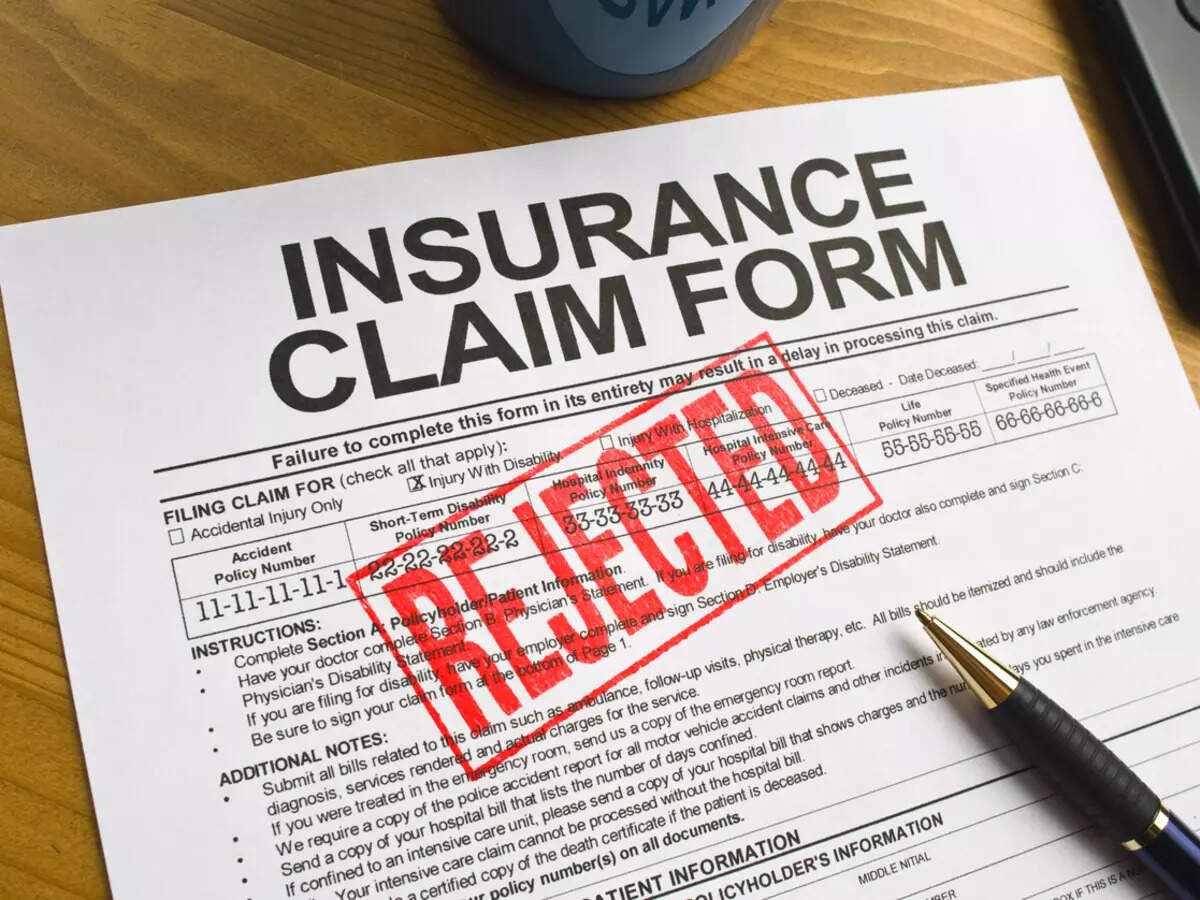
Health insurance claim rejected due to package rate India is one of those situations that usually comes as a shock — especially when you are already dealing with a hospital bill and expecting a cashless settlement.
Many policyholders assume that once a hospital is part of the insurer’s network, everything will be taken care of smoothly. But in reality, disputes over “package rates” are one of the most common reasons claims get stuck or rejected in India.
If you’ve been told that your claim is denied or partially approved because of a package rate issue, don’t panic. In most cases, this problem can be resolved — but only if you understand what’s really happening behind the scenes.
Health Insurance Claim Rejected Due to Package Rate India – What It Means
In simple terms, a package rate is a pre-agreed cost between the insurance company (or TPA) and the hospital for a specific treatment or procedure.
For example, a surgery like appendectomy or cataract may have a fixed package price. This includes:
- Doctor’s fees
- Room charges (within limit)
- Operation theatre charges
- Basic medicines and consumables
These rates are negotiated in advance to standardize costs and avoid overbilling.
However, the issue starts when the hospital charges more than this agreed package.
Why Claims Get Rejected Due to Package Rate Issues
This is where most confusion happens. Let’s break it down in real-world terms.
1. Hospital Charges Above Approved Package
The hospital may bill higher than the insurer’s approved package. The insurer or TPA then refuses to pay the excess amount.
2. Upgrade in Room Category
If you choose a higher room category than your policy allows, it can indirectly increase the package cost — leading to rejection or deduction.
3. Additional Procedures or Consumables
Some treatments involve extra procedures or high-cost consumables not included in the package.
4. Mismatch Between Diagnosis and Package
If the insurer feels the treatment doesn’t match the claimed package, they may question or reject the claim.
If you want to understand how different rejection reasons work in detail, it helps to explore
common health insurance claim rejection reasons in India, as package issues are often linked with other factors too.
What Actually Happens at the Hospital

Let’s make this practical.
You go for a cashless treatment at a network hospital. The hospital sends a pre-authorization request to the insurer or TPA.
The insurer approves a certain amount based on package rates.
But during treatment, the bill increases.
Now two things can happen:
- The insurer partially approves the claim
- Or rejects the excess amount citing package rate mismatch
This is when the hospital asks you to pay the difference from your pocket.
It feels unfair — but it’s actually a pricing conflict between hospital and insurer.
Sometimes, issues also arise when proper approval steps are not followed at the right time. For example, if pre-authorization is not taken correctly, it can complicate the approval process further. You can understand this better by looking at cases where
pre-authorization was not taken before treatment.
Is This a Full Rejection or Partial Settlement?
In many cases, this is not a complete rejection.
It is often a partial settlement, where:
- Insurer pays only up to package rate
- You pay the remaining amount
If you’ve faced this, it’s useful to understand how partial settlements work and what you can do next by reading about
partial settlement of health insurance claims in India.
What You Should Do Immediately (At Hospital Stage)
This is the most important part — timing matters.
1. Ask for Detailed Breakup
Don’t just accept the bill. Ask the hospital for a clear item-wise breakdown.
2. Check Package Inclusion
Ask what is included in the approved package and what is extra.
3. Speak to Insurance Desk
Most hospitals have an insurance help desk. Request them to re-submit or justify the bill.
4. Avoid Immediate Payment Without Clarification
If possible, delay payment until clarification is received from insurer.
These small steps can sometimes prevent unnecessary out-of-pocket expenses.
What to Do After Discharge (If Claim is Rejected or Reduced)
If the issue is not resolved at the hospital, don’t assume it’s final.
You still have options.
Step 1: Collect All Documents
- Final bill
- Discharge summary
- Investigation reports
- Approval/rejection letter
Step 2: Write to Insurer
Explain the situation clearly and request reconsideration.
If you’re not sure how to write it properly, this guide on
writing an appeal email for claim rejection in India can help you structure your request effectively.
Step 3: Get Doctor Justification
A written explanation from your doctor about why the additional cost was necessary can make a big difference.
Step 4: Follow Up and Escalate
If there is no response, escalate the issue through the insurer’s grievance system.
In some situations, instead of immediate rejection, the insurer may put the claim under detailed review, especially when billing discrepancies are involved. If that happens, it helps to understand how a
claim under investigation process works in India and what you should expect.
Can You Challenge a Package Rate Rejection?
Yes — but only if you have valid grounds.
You can challenge if:
- Treatment required additional procedures
- Medical complications increased cost
- Hospital has justified higher billing
- Insurer misunderstood the case
However, if the hospital simply overcharged without medical reason, approval may not change.
Common Mistakes to Avoid
Many people unknowingly make these mistakes:
- Not checking room eligibility before admission
- Choosing expensive add-ons without asking insurer
- Not reviewing package approval amount
- Paying extra without questioning
Being aware of these can save a significant amount of money.
Important Tip Most People Don’t Know
You can ask the hospital to adjust the bill within the approved package.
Yes, hospitals sometimes revise billing when pushed properly.
This negotiation is not widely known — but it works in many cases.
When Should You Escalate the Matter?
If:
- Your claim is unfairly reduced
- Hospital refuses to justify billing
- Insurer gives unclear response
Then escalate.
If the insurer does not resolve your issue properly, you can escalate the matter further by filing a complaint with the Insurance Regulatory and Development Authority of India (IRDAI).
How Package Rate Issues Differ Between Network and Non-Network Hospitals
One important detail many people miss is that package rate issues behave differently depending on the type of hospital you choose.
Network Hospital
In a network hospital, the insurer and hospital already have agreed package rates. This is why cashless treatment is possible.
However, even in these hospitals, problems arise when:
- The hospital applies a higher internal pricing
- The patient opts for upgrades (room or services)
- Additional procedures are added during treatment
In such cases, the insurer sticks to the agreed package, and the extra amount is shifted to the patient.
Non-Network Hospital
In non-network hospitals, there is no pre-agreed package. So the insurer evaluates the bill independently.
This often leads to:
- Higher deductions
- Questions on billing justification
- Partial approvals instead of full settlement
If you’re treated in a non-network hospital, you should be extra careful with documentation and cost justification.
How Hospitals and Insurers Look at the Same Bill Differently
This is where most conflicts begin.
From the hospital’s perspective, the bill reflects the actual cost of treatment, infrastructure, and services provided.
From the insurer’s perspective, the focus is on standardization and cost control based on predefined package rates.
Because of this difference:
- Hospitals may justify higher costs
- Insurers may reject or limit payments
The patient ends up stuck in between.
Understanding this gap helps you handle the situation more calmly and logically instead of assuming wrongdoing immediately.
Can You Negotiate the Final Bill with the Hospital?
Yes — and this is something many policyholders don’t even try.
If your health insurance claim is rejected due to package rate India issue, you can request the hospital billing team to:
- Revise charges within approved package
- Remove non-essential items
- Adjust room-related costs
Hospitals sometimes agree, especially when:
- The difference amount is high
- The patient insists on insurance limitations
- The case is clearly within standard treatment norms
This step alone can reduce your out-of-pocket expense significantly.
Checklist Before You Take Admission (Very Important)
To avoid package rate issues in the future, keep this checklist in mind:
- Confirm room rent eligibility in your policy
- Ask hospital about package rates in advance
- Check if all expected costs are included
- Inform insurer or TPA on time
- Keep all documents and approvals safely
Most claim issues can actually be prevented with a little awareness at the beginning.
When Paying Extra Might Be the Only Option
There are situations where paying the extra amount becomes unavoidable.
For example:
- You chose a premium room beyond eligibility
- You opted for luxury or non-medical services
- The hospital charged for items outside policy coverage
In such cases, even after appeal, the insurer may not increase the approved amount.
Knowing this helps set the right expectations and avoids unnecessary stress.
Final Thoughts
Facing a health insurance claim rejected due to package rate India situation can be stressful, especially when you’re already dealing with medical expenses.
But in most cases, it’s not a dead end — it’s a billing and communication issue that can be challenged or corrected.
The key is to stay informed, act quickly, and not accept decisions without understanding them fully.
A little effort at the right time can save you a significant amount of money.