
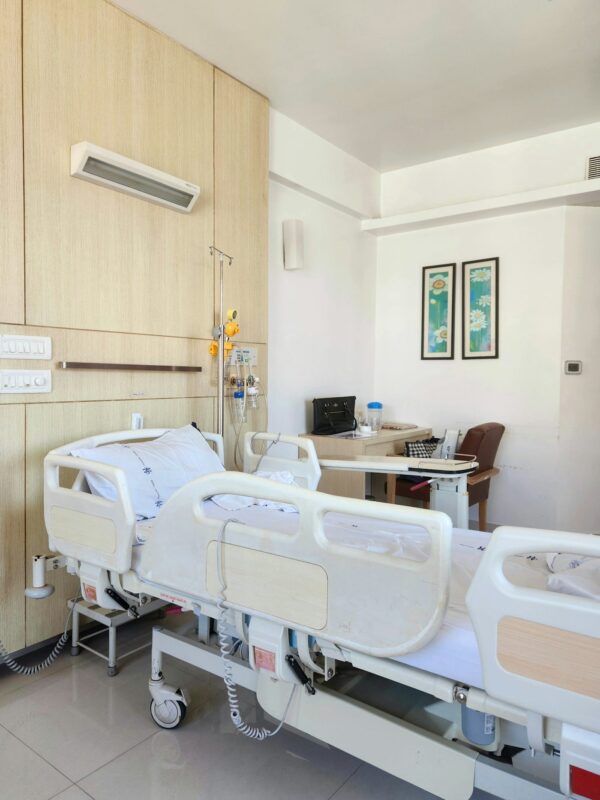
Most people believe that once hospitalization is genuine and all bills are submitted properly, the health insurance claim should get approved without major issues.
But many policyholders in India are surprised when the insurer suddenly delays or rejects the claim because the treating doctor could not be verified.
Sometimes the doctor has left the hospital. In other cases, the insurer cannot contact the doctor during investigation. Hospitals may fail to respond properly, consultation records may be incomplete, or medical verification may remain pending for too long.
For patients already dealing with medical expenses, this type of rejection feels extremely frustrating because the treatment itself was real.
Many policyholders first receive only a generic rejection message without understanding the actual issue. You can also read common insurance claim denial reasons in India to understand how insurers evaluate medical claims.
If your health insurance claim was rejected due to doctor verification issues, this guide will help you understand why insurers verify doctors, common situations that trigger rejection, what documents you should collect, and how to appeal the decision in India.
Why Insurance Companies Verify Doctors During Claims
Insurance companies and TPAs do not rely only on bills and discharge summaries while processing claims. They also verify whether the treatment was actually provided by a qualified medical professional.
Doctor verification becomes especially important in:
- high-value claims
- cashless hospitalization disputes
- reimbursement claims
- suspicious billing patterns
- claims under investigation
- frequent hospitalization claims
During verification, insurers may contact:
- the treating doctor
- hospital administration
- medical superintendent
- TPA coordinators
The goal is to confirm:
- whether hospitalization was genuine
- whether treatment was medically necessary
- whether the diagnosis matches records
- whether the doctor actually handled the case
If the insurer cannot complete this verification properly, the claim may move into delayed review or rejection status.
Common Reasons Behind Doctor Verification Problems
1. Doctor Left the Hospital
This is one of the most common situations in India.
Many hospitals have visiting consultants, temporary specialists, or doctors who frequently change hospitals. By the time the insurance company starts verification, the doctor may no longer work there.
As a result, the insurer may struggle to confirm treatment details.
2. Hospital Not Responding to Verification Requests
Sometimes the hospital itself delays or ignores verification emails and calls from insurers or TPAs.
This often happens in:
- small hospitals
- busy private hospitals
- cashless dispute cases
- poorly managed record departments
Unfortunately, the policyholder suffers because the insurer treats incomplete verification as risk.
If your hospital is not cooperating properly, you may also find this helpful: health insurance claim rejected because hospital not sharing documents.
3. Missing Consultation Records
Insurance companies often compare prescriptions, consultation notes, admission records, and discharge summaries together.
If consultation papers are incomplete or unavailable, doctor verification becomes difficult.
This is common in emergency admissions where documentation is rushed.
4. Signature or Registration Number Issues
Sometimes the doctor’s signature is unclear, or the registration number is missing from the records.
This creates doubt during claim scrutiny.
Insurance companies may then ask hospitals for additional proof to verify the treating doctor.
5. Investigation Triggered Due to Medical Mismatch
Doctor verification problems often happen alongside:
- diagnosis mismatch
- billing inconsistencies
- incorrect procedure coding
- treatment disputes
In such situations, insurers may start detailed investigation before approving payment.
You can understand this process better in our guide on health insurance claim under investigation in India.
Can Genuine Claims Also Get Rejected?
Yes, unfortunately.
Many policyholders assume only fraudulent claims get rejected. But in reality, genuine claims can also face rejection if insurers cannot complete medical verification properly.
For example:
- doctor unavailable during verification
- hospital records incomplete
- missing consultation notes
- hospital administration delays
- doctor transferred to another branch
Even though the treatment was genuine, insurers may still delay approval until they receive satisfactory clarification.
This is why documentation quality becomes extremely important during hospitalization.
How TPAs Handle Doctor Verification
Third-party administrators (TPAs) play a major role in health insurance claim processing in India.
Many TPAs perform verification checks before forwarding approval recommendations to insurers.
Their verification process may include:
- calling hospital staff
- checking doctor credentials
- reviewing treatment records
- validating admission details
- comparing prescriptions and bills
If the TPA cannot complete verification properly, they may recommend:
- claim hold
- investigation
- partial settlement
- rejection
If your claim was rejected directly by a TPA, read our article on health insurance claim rejected by TPA in India.
What You Should Do Immediately After Rejection
If your claim was rejected because of doctor verification issues, avoid assuming the matter is permanently closed.
Many claims are later reconsidered when proper clarification is submitted.
Step 1: Request Exact Rejection Reason
Ask the insurer or TPA for detailed written clarification.
Understand:
- what verification failed
- which doctor could not be verified
- whether additional documents are accepted
- whether reconsideration is possible
Never rely only on short rejection SMS messages.
Step 2: Contact Hospital Administration
Visit the hospital records or insurance desk personally.
Explain the issue clearly and request:
- doctor confirmation letter
- consultation records
- updated discharge documents
- doctor registration details
- hospital verification letter
Many hospitals cooperate once they understand that the claim is stuck due to verification issues.
Step 3: Try to Reach the Treating Doctor
If possible, contact the treating doctor directly.
Even a simple clarification letter confirming:
- patient treatment
- hospitalization necessity
- diagnosis
- treatment duration
can strengthen your appeal significantly.
Step 4: Submit Reconsideration Request
Prepare a proper appeal with:
- rejection letter
- hospital clarification
- doctor confirmation
- updated records
- supporting medical reports
Clearly explain that the treatment was genuine and the verification issue occurred because of hospital or administrative circumstances.
You may also read how to appeal insurance claim denial in India.
What Documents Can Help Resolve Verification Disputes?
The stronger your supporting documents, the better your chances of reconsideration.
Useful documents include:
- doctor declaration letter
- hospital verification certificate
- consultation notes
- admission records
- discharge summary
- prescriptions
- diagnostic reports
- doctor registration proof
Ensure all records contain:
- hospital stamp
- doctor signature
- patient details
- consistent dates
Real-Life Example of Doctor Verification Claim Issue
A policyholder from Mumbai underwent hospitalization for severe infection treatment at a private hospital.
The claim amount was substantial, so the insurer started verification before approving reimbursement.
However, by the time verification started, the treating infectious disease specialist had already left the hospital.
The insurer could not directly verify treatment details and temporarily rejected the claim citing incomplete medical verification.
The patient later collected:
- hospital clarification letter
- doctor registration details
- signed consultation records
- updated treatment summary
After resubmitting the documents through formal appeal, the insurer reconsidered the case and approved the claim.
This shows that verification-related rejection does not always mean the claim is permanently lost.
How to Avoid Doctor Verification Problems in Future
Collect Detailed Records During Hospitalization
Do not wait until claim rejection happens.
Maintain copies of:
- consultation papers
- prescriptions
- doctor notes
- test reports
- admission records
Strong documentation reduces future disputes.
Check Doctor Details Properly
Before discharge, verify that important documents contain:
- doctor name
- signature
- registration number
- hospital stamp
This small step can prevent major verification complications later.
Keep Contact Information if Possible
In major hospitalization cases, keeping contact details of the treating department or doctor can sometimes help during future verification.
Review Hospital Papers Before Leaving
Many policyholders discover missing details only after claim rejection.
Always review:
- discharge summary
- treatment notes
- diagnosis details
- billing records
before leaving the hospital.
Can You File Complaint Against Unfair Rejection?
Yes.
If the insurer continues rejecting the claim despite valid clarification and genuine treatment proof, you can escalate the matter.
Possible escalation channels include:
- insurance company grievance department
- IRDAI grievance portal
- Insurance Ombudsman
Before escalation, organize all records carefully including:
- claim rejection letter
- hospital communication
- doctor clarification letters
- policy documents
- appeal emails
You may also find this useful: IRDAI complaint for health insurance claim rejection.
Final Thoughts
Health insurance claim rejection due to doctor verification problems can feel unfair, especially when the hospitalization and treatment were completely genuine.
However, insurers and TPAs use doctor verification as part of their fraud prevention and claim scrutiny process. Problems usually arise when hospitals fail to maintain proper records or when treating doctors become unavailable during verification.
The good news is that many such claims are successfully reconsidered after proper clarification and supporting documents are submitted.
Instead of giving up immediately after rejection, focus on understanding the exact issue, collecting proper hospital verification, and filing a structured appeal.
Most importantly, always maintain organized medical records during hospitalization. Good documentation remains one of the strongest protections against claim disputes in India.
Frequently Asked Questions (FAQs)
Can health insurance claims be rejected if the doctor is unavailable for verification?
Yes. If insurers or TPAs cannot verify treatment details properly, claims may get delayed, investigated, or rejected temporarily.
Can genuine claims also face doctor verification issues?
Yes. Genuine claims can face problems if the doctor has left the hospital, records are incomplete, or hospitals fail to respond properly.
What documents can help resolve verification disputes?
Doctor clarification letters, consultation records, hospital verification certificates, discharge summaries, and diagnostic reports can help strengthen reconsideration requests.
Is a doctor verification rejection final?
No. Many claims are later approved after proper clarification and supporting documents are submitted.
Can hospitals help during claim verification disputes?
Yes. Hospitals may issue verification letters, updated records, and doctor confirmation documents to support genuine claims.
Can I complain to IRDAI if the rejection is unfair?
Yes. If the insurer refuses reconsideration despite valid documents, you can escalate the complaint through IRDAI grievance channels and Insurance Ombudsman.