
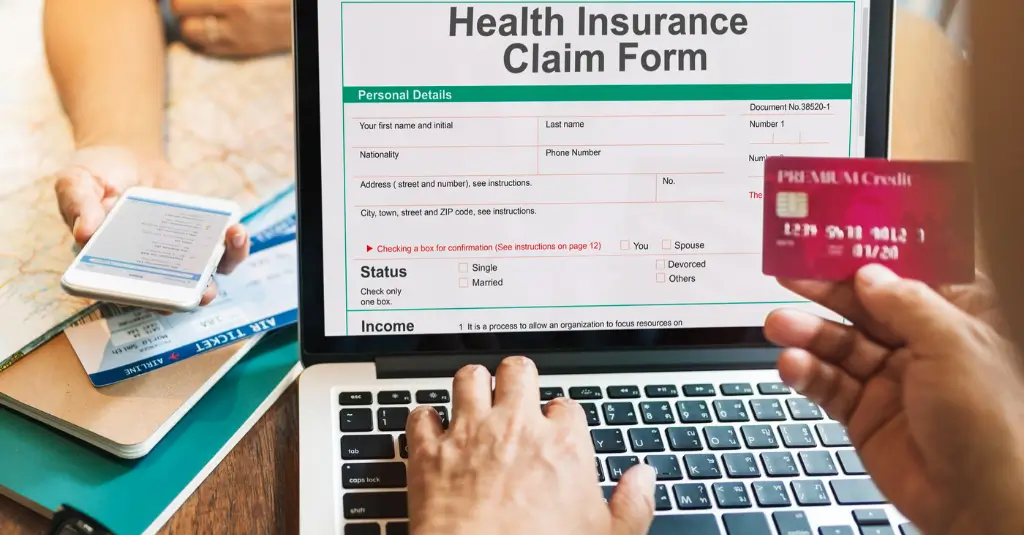
Health insurance claim rejected due to expired policy card India is one of those situations that feels unfair at first. You know your policy is active, premiums are paid, and yet your claim is denied or delayed just because the card you showed at the hospital was expired.
This creates confusion and frustration — especially when you’re already dealing with a medical situation.
The important thing to understand is that in many cases, this is not a permanent rejection. It is more of a verification issue that can usually be corrected if handled properly.
Let’s break this down in a simple and practical way so you know exactly what to do.
Does an Expired Policy Card Mean Your Insurance Is Invalid?
No — and this is the first thing you need to understand clearly.
Your insurance policy and your insurance card are two different things.
- Policy: This is your actual contract with the insurer
- Card: This is just an identification tool used for quick verification
Even if your card is expired, your policy can still be active.
However, hospitals and TPAs often rely heavily on the card for initial processing, which is where the problem starts.
Why Do Claims Get Rejected Due to Expired Policy Card?
Let’s look at what actually happens behind the scenes.
1. Hospital Uses Card for Verification
At the time of admission, the hospital checks your insurance card to confirm eligibility.
If the card shows expired, they may assume the policy is inactive.
2. TPA System Mismatch
Sometimes the card details don’t match updated policy information in the system.
3. Outdated Policy Details
Your policy may have been renewed, but the card was not updated or replaced.
4. Lack of Real-Time Verification
Hospitals may not always verify policy status directly with insurer unless pushed.
This is why even active policyholders face issues.
What Usually Happens at the Hospital
Here’s a typical scenario.
You go to a network hospital for treatment and present your insurance card.
The hospital checks it and finds it expired.
Now:
- Cashless request may be denied
- You may be asked to pay deposit
- Claim processing may get delayed
This often creates panic, but the situation is still manageable.
What You Should Do Immediately (At Hospital Stage)
This is where quick action makes a big difference.
1. Show Policy Document or Soft Copy
Instead of relying on the card, provide your latest policy copy.
2. Contact Insurer or TPA
Call customer care and ask them to confirm policy status directly with the hospital.
3. Request Hospital to Re-Submit Cashless Request
Once policy is confirmed active, ask for fresh submission.
In many cases, this alone resolves the issue.
If you’ve faced denial at this stage, you may also relate to situations explained in
what to do when a cashless claim is denied at hospital, where similar confusion happens.
What If You Already Paid the Bill?
If the issue was not resolved during hospitalization, don’t worry.
You can still file a reimbursement claim.
For this, you will need:
- Final hospital bill
- Discharge summary
- Medical reports
- Updated policy proof
Once submitted, the insurer will verify your policy status and process the claim accordingly.
Make sure all documents are complete and clearly readable, because even small gaps can delay or impact approval. If you want to understand how such issues affect claims, you can go through this explanation of
claim rejection due to missing documents in India and how to avoid them.
Can This Type of Rejection Be Reversed?
Yes — in most cases.
Because the issue is not about treatment eligibility but about verification.
If you can prove that:
- Your policy was active
- Premium was paid on time
- Treatment was covered
Then the claim can usually be reconsidered.
Common Mistakes People Make
Many policyholders unknowingly worsen the situation by:
- Assuming rejection is final
- Not contacting insurer immediately
- Relying only on hospital communication
- Not keeping updated policy documents
A little awareness can prevent unnecessary stress.
How to Write an Appeal for This Issue
If your claim is rejected, you should write a clear appeal explaining that your policy was active at the time of treatment.
Your appeal should include:
- Policy number
- Proof of renewal
- Explanation of expired card issue
- Request for reconsideration
If you need help structuring this, you can refer to this guide on
writing an appeal email for claim rejection in India for a clear format.
How Insurers View Such Cases
From the insurer’s perspective, expired card issues are usually treated as administrative problems rather than policy violations.
They focus on:
- Policy validity
- Coverage eligibility
- Supporting documents
If everything is in order, claims are often approved after clarification.
Situations Where Problems Can Still Occur
While most cases are resolved, issues may arise if:
- Policy actually expired due to non-payment
- Renewal was done after hospitalization
- Documents are incomplete
In such cases, approval becomes difficult.
How to Avoid This Issue in Future
Prevention is always better than correction.
- Always carry updated insurance card
- Keep soft copy of policy on your phone
- Check renewal confirmation
- Inform hospital clearly about policy details
These simple steps can save you from unnecessary complications.
What If Insurer Still Does Not Approve?
If your claim is valid and still not approved, you should escalate.
You can:
- Raise grievance with insurer
- Submit all documents again
- Explain policy validity clearly
If required, you can also escalate through regulatory channels.
This process is explained in detail in this guide on
how to appeal insurance claim denial in India.
Actual Life Insight That Helps
In many cases, the problem is not rejection — it is lack of proper communication.
Hospitals rely on quick checks, while insurers rely on documents.
When you bridge that gap by providing the right information, the situation often gets resolved.
In most situations, a health insurance claim rejected due to expired policy card India situation happens simply because updated policy details were not shared at the right time.
What Happens Inside the Insurance System When Card Shows Expired
From the outside, it looks like a simple issue — the card is expired, so the claim is rejected. But internally, the process is a bit more detailed.
When a hospital submits your details for cashless approval, the insurer or TPA system first checks the policy status using the information available. If the card details are outdated, the system may not immediately match your policy.
This creates a temporary mismatch.
Instead of verifying further, the request may get declined or marked for clarification. This is why even active policies sometimes appear inactive at the hospital level.
Once correct policy details are provided, the system can usually be updated, and the claim can move forward.
Difference Between Expired Card and Lapsed Policy
This is one of the most important distinctions to understand.
Expired Card
This simply means your physical or digital card has not been updated after renewal. Your policy may still be fully active.
Lapsed Policy
This means the policy has actually expired due to non-payment or missed renewal.
In case of an expired card, claims can often be corrected and processed. But in case of a lapsed policy, the claim may not be approved unless reinstated under specific conditions.
Understanding this difference helps you respond correctly instead of assuming the worst.
It’s important not to confuse this situation with an actual policy lapse, where coverage truly ends due to non-payment. If you’re unsure about that scenario, you can understand how
policy lapse affects health insurance claims in India and how it differs from an expired card issue.
Why Hospitals Sometimes Don’t Verify Further
You might wonder — if the policy is active, why doesn’t the hospital just check?
The reality is that hospitals handle a large number of cases every day, and initial verification is often done quickly using available details.
If something looks incorrect, they may not immediately go deeper unless the patient insists.
This is why your role becomes important. Asking the right questions and providing correct documents can change the outcome.
How Digital Policy Access Can Help
Today, most insurers provide digital access to your policy through mobile apps or email.
Having this ready can make a big difference.
Instead of relying only on a physical card, you can:
- Show your latest policy document on your phone
- Share policy details with hospital instantly
- Confirm coverage directly with insurer
This reduces dependency on outdated cards and speeds up verification.
What If the Issue Happens During Emergency Admission?
Emergencies are different.
In such situations, you may not have time to check documents or verify details.
Hospitals prioritize treatment, and administrative checks happen later.
If your claim gets affected due to expired card during an emergency:
- Focus on collecting all treatment documents
- Inform insurer as soon as possible
- Explain the emergency situation clearly during claim submission
Insurers are generally more flexible in genuine emergency cases.
Can This Issue Delay Claim Processing Even After Approval?
Yes, sometimes even after policy verification, delays can happen.
This is because the insurer may take extra time to re-check details or validate documents.
In some cases, the claim may be approved but payment may take longer than expected.
If you face such a situation, it helps to understand what happens when a
claim is approved but not paid in India and how to follow up effectively.
Simple Checklist to Keep Your Policy Always Ready
A few small habits can prevent this issue completely:
- Download updated policy after every renewal
- Save digital copy on your phone
- Keep insurer contact details handy
- Check policy validity before planned hospitalization
These steps take very little effort but can save you from unnecessary complications.
Final Thoughts
Facing a health insurance claim rejected due to expired policy card India situation can feel frustrating, but it is rarely the end of the road.
Most of these cases are resolved once policy validity is confirmed and documents are submitted properly.
The key is to stay calm, act quickly, and not assume that the rejection is final.
A simple correction today can save you a significant amount of money.