Health insurance claim rejected due to name mismatch India is a surprisingly common issue. Many people don’t realize that even a small difference in name across documents can delay or reject a claim.
You might think — “It’s the same person, just a small spelling difference.” But for insurers, documentation needs to match clearly and consistently.
The good news is, this is usually a correctable issue. If handled properly, your claim can still be processed.
What Is Considered a Name Mismatch?
A name mismatch doesn’t always mean a completely different name. Even small variations can create problems.
Some common examples include:
- Full name vs initials (e.g., R. Kumar vs Rajesh Kumar)
- Spelling differences (e.g., Priyanka vs Prianka)
- Name change after marriage
- Different name formats across documents
While these may seem minor, insurers treat them seriously during claim verification.
Why Do Insurance Companies Reject Claims for Name Mismatch?
From the insurer’s perspective, the goal is to ensure that the claim is genuine and belongs to the correct policyholder.
Even small inconsistencies can raise questions like:
- Is this the same person?
- Are documents linked to the correct policy?
- Is there any possibility of fraud or duplication?
Because of this, claims may be rejected or put on hold until clarity is provided.
This is closely related to situations where
documentation issues affect health insurance claims in India, as mismatched details fall under document verification problems.
Actual Situations Where This Happens
Let’s look at how this usually happens in practice.
Case 1: Marriage Name Change
A woman updates her name in some documents but not in her insurance policy.
Case 2: Initials vs Full Name
Hospital records use full name, while policy has initials.
Case 3: Typing Error
Even a small spelling mistake during hospital registration can create mismatch.
These situations are common and often unintentional.
Is This a Permanent Rejection?
In most cases, no.
Name mismatch is usually treated as a documentation issue rather than a policy violation.
This means:
- Your claim is not automatically invalid
- You may be asked for clarification
- Documents can be corrected or supported
So instead of assuming the worst, focus on fixing the issue.
What You Should Do Immediately After Rejection
If your claim is rejected due to name mismatch, follow these steps calmly.
Step 1: Identify the Exact Mismatch
Compare all documents — policy, hospital records, ID proof.
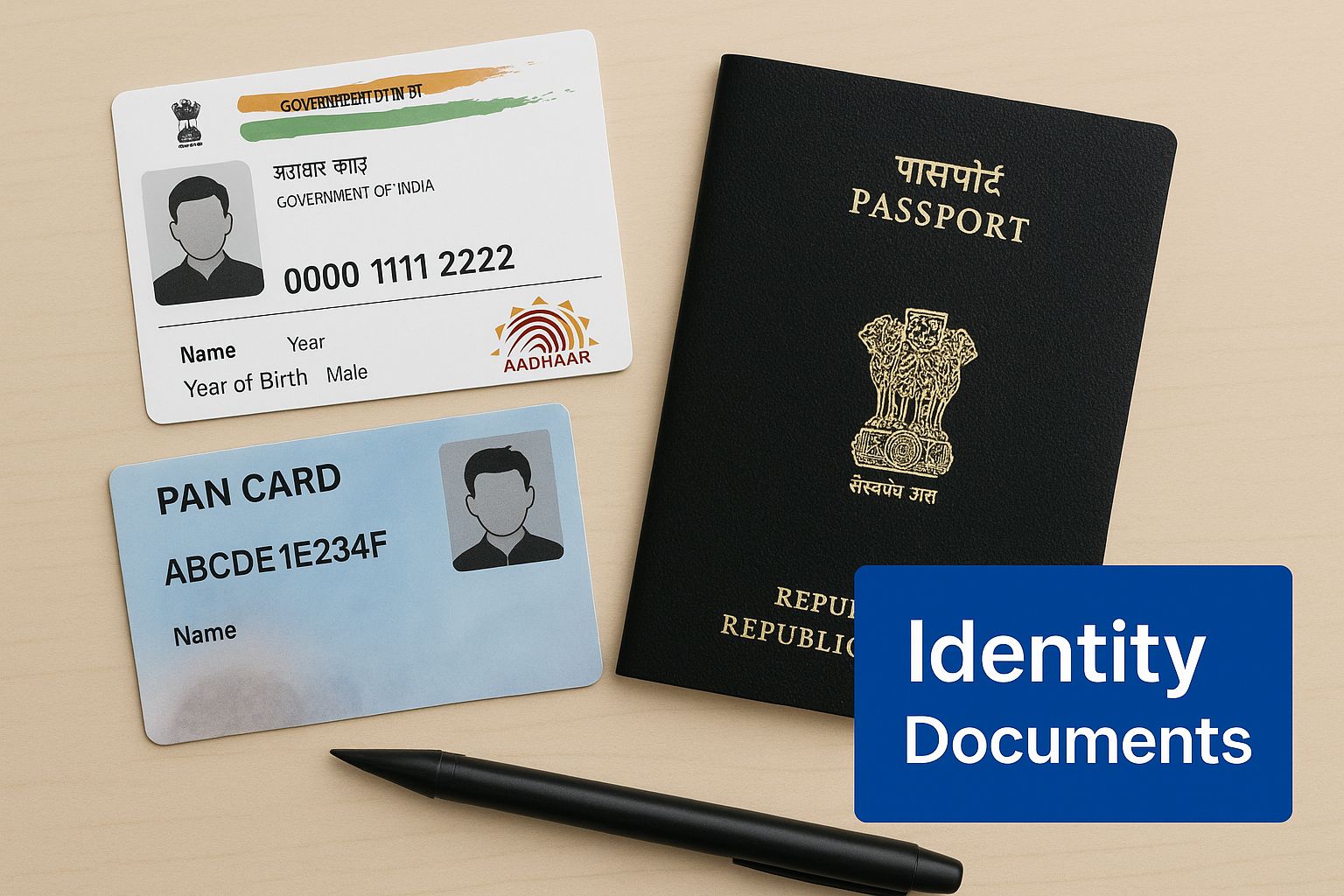
Step 2: Collect Valid Identity Proof
Use documents like Aadhaar, PAN, or passport.
Step 3: Get Clarification from Hospital
Request correction in hospital records if needed.
Step 4: Submit Supporting Documents
Provide proof that all documents belong to the same person.
If you’re unsure how to present this properly, this guide on
writing an appeal email for claim rejection in India can help you structure your explanation clearly.
Documents That Help Resolve Name Mismatch
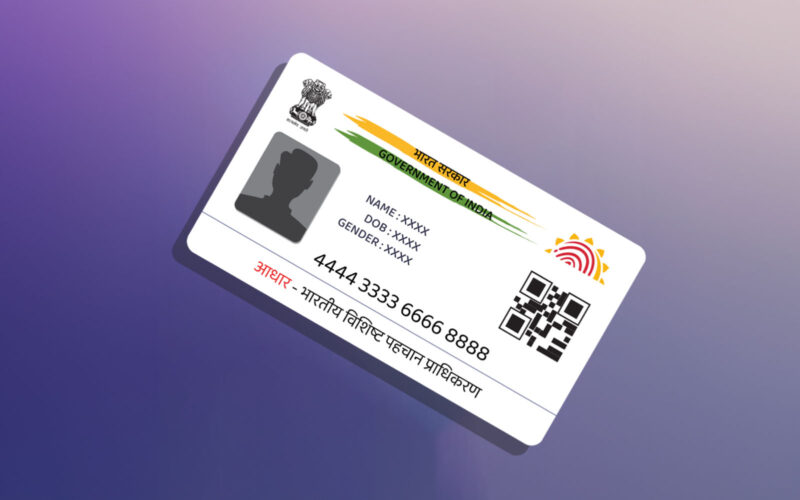
To strengthen your case, you may need:
- Government ID proof
- Affidavit confirming name variation
- Marriage certificate (if applicable)
- Corrected hospital records
Make sure all documents are complete and clearly match each other, because even small gaps can create additional issues. If you want to understand how such problems affect claims, this explanation of
claim rejection due to missing documents in India can give you better clarity.
These documents help establish identity consistency.
Can You Correct the Name in Policy?
Yes — but it depends on timing.
If the mismatch is discovered early, you can request a correction with your insurer.
This usually requires:
- KYC update request
- Supporting documents
However, corrections after claim submission may take time.
What Happens If You Ignore the Issue?
Ignoring name mismatch can lead to:
- Claim delays
- Repeated document requests
- Final rejection
It’s always better to address the issue early.
When Does Name Mismatch Become a Serious Problem?
While most cases are manageable, problems arise when:
- Names are completely different
- No supporting documents are available
- Multiple inconsistencies exist
In such cases, the claim may require deeper verification.
How Insurers Verify Identity
Insurers don’t rely on a single document.
They cross-check:
- Policy details
- Hospital records
- ID proof
- Previous claim history
If everything aligns, claims are usually approved.
Practical Tip That Helps
Before submitting any claim, ensure that your name is consistent across all documents.
This small step can prevent major issues later.
How to Avoid This Issue in Future
To avoid name mismatch problems:
- Update your policy details regularly
- Use same name format everywhere
- Check hospital records before discharge
- Keep all documents aligned
Consistency is the key.
When Should You Escalate?
If your claim is valid and still not processed, you should escalate.
You can follow the process explained in
how to appeal insurance claim denial in India to take it further.
How Small Name Differences Can Still Create Big Issues
Many people assume that small spelling differences won’t matter. But in insurance claims, even minor variations can create confusion during verification.
For example, a missing letter, extra space, or different format may cause systems to treat the records as belonging to different individuals.
This is especially common when:
- Documents are created at different times
- Different authorities follow different naming formats
- Manual data entry is involved
Because of this, what looks like a small mistake can become a reason for claim delay or rejection.
How Hospitals and Insurers Handle Name Mismatch Differently
Hospitals usually focus on treatment and may not strictly verify name consistency across all documents.
Insurers, on the other hand, follow strict verification rules.
This difference in approach creates a gap.
At the hospital level, the treatment may proceed without issues. But when the claim reaches the insurer, detailed checks begin.
This is why problems often appear only during claim processing and not during treatment.
Can a Simple Declaration Letter Help?
Yes, in many cases, a declaration letter can help clarify minor name differences.
This letter typically states that all documents belong to the same person despite variation in name format.
It should include:
- Your full name as per policy
- Alternate name formats used in documents
- Confirmation that both refer to the same person
While not always mandatory, this simple step can strengthen your case significantly.
Why Consistency Matters More Than Accuracy
This may sound surprising, but in many cases, consistency across documents matters more than having the “correct” name.
If all your documents carry the same format, even if slightly different from your official name, claims are less likely to face issues.
Problems arise when multiple variations exist.
This is why standardizing your name across all records is a smart long-term approach.
What If Multiple Errors Exist in Documents?
Sometimes, name mismatch is not the only issue.
It may be combined with:
- Missing documents
- Incorrect details
- Incomplete records
In such cases, the claim may take longer to process or require additional clarification.
Handling all issues together improves your chances of approval.
How Long Does It Take to Resolve Name Mismatch Issues?
The timeline depends on how quickly documents are corrected and submitted.
- Document correction: 2–5 days
- Resubmission and review: 7–15 days
- Final decision: up to 30 days
Delays usually happen when follow-ups are not done regularly.
Staying proactive can speed up the process.
Frequently Asked Questions
Can a health insurance claim be rejected due to name mismatch?
Yes, even small differences in name across documents can lead to claim rejection or delay. Insurers require consistency to verify identity properly.
What kind of name differences cause issues?
Common issues include spelling mistakes, use of initials instead of full name, and name changes after marriage. Even minor variations can create confusion.
Can I correct the name mismatch after claim rejection?
In most cases, yes. You can submit identity proof, corrected documents, or a declaration letter to clarify that all records belong to the same person.
Is an affidavit required for name mismatch?
An affidavit is not always mandatory, but it can help strengthen your case, especially when there are multiple variations in name across documents.
Will my claim be approved after fixing name mismatch?
If the only issue was name mismatch and all other conditions are met, there is a good chance that the claim will be reconsidered and approved.
How can I avoid name mismatch issues in future?
Ensure that your name is consistent across all documents, including policy records, ID proofs, and hospital documents. Regularly update your policy details if needed.
Final Thoughts
Facing a health insurance claim rejected due to name mismatch India situation can be frustrating, especially when the issue seems minor.
But in most cases, it is fixable with proper documentation and timely action.
The key is to stay calm, identify the mismatch, and provide clear proof.
Once everything is aligned, your claim has a strong chance of being approved.