
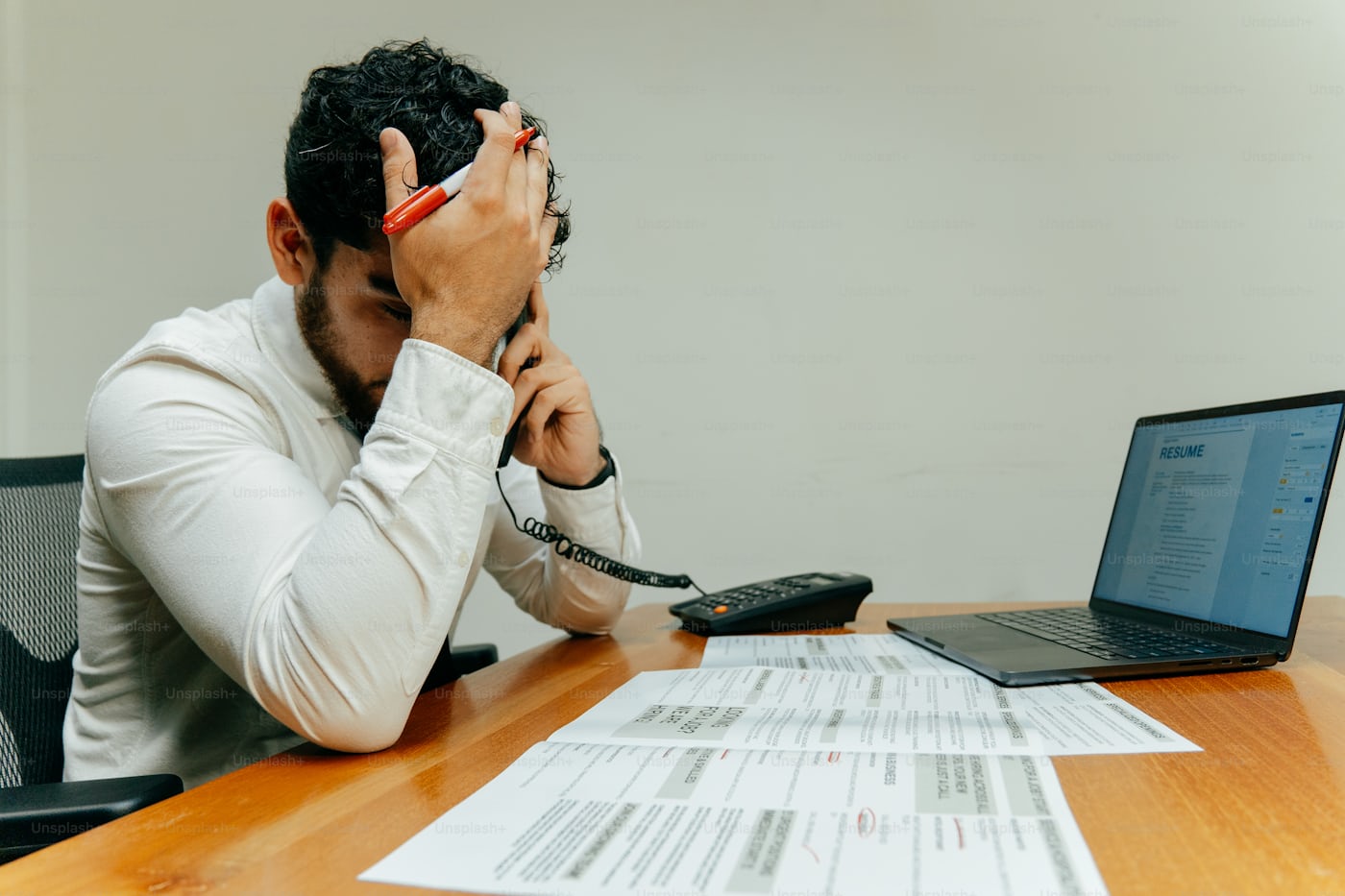
Imagine spending days in the hospital, arranging money for treatment, submitting every medical bill carefully, and then suddenly receiving a message from the insurance company saying your claim has been rejected due to a “prescription mismatch” or “document inconsistency.”
For many policyholders in India, this situation feels confusing and unfair. Most people assume that once treatment is genuine and hospitalization actually happened, the insurance company will approve the claim. But during claim verification, insurers and TPAs closely examine medical records, prescriptions, diagnosis details, discharge summaries, pharmacy bills, and doctor notes. Even a small mismatch between these documents can trigger delays, investigations, or rejection.
The good news is that not every prescription mismatch means permanent rejection. In many cases, claims can still be reconsidered if proper clarification and corrected documents are submitted.
Many policyholders first receive a generic rejection message without understanding the actual reason behind it. If you are unsure why your insurer denied the request, you can also read common insurance claim denial reasons in India to understand how insurers evaluate medical claims.
In this guide, you will understand why health insurance claims get rejected due to prescription mismatch, how insurers verify medical records, what documents can help reverse the rejection, and the exact steps you should take in India.

What Does Prescription Mismatch Mean in Health Insurance?
A prescription mismatch happens when the medical documents submitted during the claim process do not match properly with each other. Insurance companies compare multiple records to verify whether the treatment, diagnosis, medicines, and hospitalization details are consistent.
If the insurer notices conflicting information, they may suspect incorrect documentation, billing errors, incomplete records, or in some cases possible fraud. Because of this, the claim can move into investigation or rejection status.
Prescription mismatch can happen in both cashless and reimbursement claims. It is especially common during reimbursement claims where patients submit physical documents after treatment.
Some common mismatches include:
- Diagnosis mentioned differently in prescriptions and discharge summary
- Medicine names not matching treatment records
- Doctor notes conflicting with hospital reports
- Date mismatch between admission and consultation papers
- Different patient details across documents
- Missing doctor signature or hospital seal
- Unreadable handwritten prescription
Many people panic after receiving rejection emails mentioning “medical inconsistency” or “documents not matching.” However, understanding the exact reason behind the mismatch is very important before taking the next step.
Common Reasons Why Claims Get Rejected Due to Prescription Mismatch
1. Different Diagnosis in Medical Records
This is one of the most common reasons behind claim rejection.
For example, the initial prescription may mention “viral fever,” while the discharge summary later mentions “dengue with thrombocytopenia.” Since the diagnosis changed during treatment, the insurance company may ask for clarification.
Sometimes the diagnosis genuinely changes after test reports arrive. However, if hospitals fail to explain this properly in the documents, insurers may treat it as inconsistency.
Diagnosis inconsistency is one of the most sensitive verification checks during claim scrutiny. If your discharge summary and treatment records do not match properly, read our detailed guide on diagnosis and treatment mismatch claim rejection in India.
2. Medicines Not Matching Treatment
Insurance companies also compare pharmacy bills with doctor prescriptions and treatment records.
If expensive medicines appear in pharmacy invoices but are not mentioned in treatment papers, insurers may suspect unnecessary billing or unsupported expenses.
Similarly, if prescriptions contain medicines unrelated to the diagnosed illness, the scrutiny team may raise questions.
3. Handwritten Prescriptions Are Unclear
In India, many doctors still write prescriptions manually. Poor handwriting can create confusion during claim verification.
If the insurer cannot clearly understand the diagnosis, medicine name, dosage, or doctor instructions, they may delay or reject the claim until clarification is provided.
4. Missing Doctor Registration Details
Insurance companies often verify whether the treating doctor is registered with the Medical Council.
If the prescription lacks doctor registration number, signature, or hospital seal, the insurer may question document authenticity.
5. Different Dates Across Documents
Date mismatch is another common issue.
For example:
- Hospital admission date differs from consultation papers
- Diagnostic reports are dated before hospitalization
- Pharmacy bills show medicines purchased after discharge
Even genuine clerical mistakes can trigger additional scrutiny.
6. Department-Wise Medical Notes Not Matching
Large hospitals involve multiple specialists during treatment. Sometimes their notes may not perfectly align.
One doctor may mention suspected infection while another confirms a different condition later. If the final discharge summary does not properly explain the progression, the insurer may flag inconsistency.
How Insurance Companies Verify Medical Documents

Many policyholders believe claims are checked only by basic staff. In reality, insurance companies and TPAs use detailed verification procedures before approving claims.

During scrutiny, insurers usually verify:
- Diagnosis consistency
- Hospitalization necessity
- Treatment timeline
- Medicine usage
- Doctor credentials
- Room rent eligibility
- Investigation reports
- Policy exclusions and waiting periods
Some insurers also involve medical experts who review treatment justification and compare documents line by line.
If any inconsistency appears suspicious or unclear, the insurer may:
- Ask for clarification documents
- Initiate claim investigation
- Request original papers again
- Reject unsupported expenses
- Reject the entire claim
This is why maintaining accurate medical records is extremely important during hospitalization.
If your claim also faced issues due to missing paperwork, read our detailed guide on missing documents in health insurance claims.
In some situations, insurers may even place the claim under detailed scrutiny before making a final decision. Here is what happens when a health insurance claim goes under investigation in India.
Is Prescription Mismatch Always a Valid Reason for Rejection?
No, not always.
Insurance companies are allowed to verify documents and investigate suspicious claims. However, minor clerical mistakes or hospital documentation errors should not automatically lead to unfair rejection.
In many genuine cases, prescription mismatch happens because:
- Diagnosis evolved after test reports
- Hospital staff made typing mistakes
- Doctors used short medical abbreviations
- Documents were scanned poorly
- Pharmacy billing software generated errors
If the treatment itself was genuine and medically necessary, insurers may reconsider the claim after receiving clarification.
Sometimes insurers also question whether the hospitalization or treatment was medically necessary in the first place. You can understand this process better in our article on medical necessity claim rejection in India.
Policyholders should remember that a rejection letter is not always the final outcome. Many rejected claims are later approved after appeal and corrected documentation.
What You Should Do Immediately After Claim Rejection
If your claim has been rejected due to prescription mismatch, avoid panicking or arguing emotionally with customer care. Instead, follow a systematic process.
1. Request Detailed Rejection Reason
Do not rely only on short SMS or email messages.
Ask the insurer or TPA for detailed written explanation mentioning:
- Exact document mismatch
- Specific discrepancy noticed
- Required clarification documents
- Appeal process timeline
This helps you understand the real issue instead of guessing.
2. Contact the Hospital Immediately
Visit the hospital records department and explain the rejection reason carefully.
Many hospitals are familiar with insurance disputes and may help provide:
- Corrected discharge summary
- Doctor clarification letter
- Updated prescription copy
- Revised billing explanation
Hospitals often cooperate because documentation mistakes can happen during busy admissions.
3. Ask the Doctor for Clarification Letter
A clarification letter from the treating doctor can significantly improve your chances of claim approval.
The letter should explain:
- Why diagnosis changed
- Why medicines differed
- Treatment progression details
- Medical necessity of hospitalization
Proper doctor clarification resolves many insurer concerns.
4. Submit Revised Documents Quickly
Do not delay resubmission.
Most insurers have internal appeal timelines. Submit corrected records along with a formal explanation letter as soon as possible.
Keep scanned copies of everything for future reference.
5. Escalate to Grievance Department if Needed
If customer care does not respond properly, escalate the matter to the insurer’s grievance redressal department.
Mention:
- Policy number
- Claim number
- Hospitalization details
- Clarification documents submitted
- Why you believe rejection is unfair
You can also read our guide on cashless claim rejection by TPA if your claim issue involved third-party administrators.
If the insurer still refuses reconsideration despite valid medical clarification, you can formally appeal a health insurance claim denial in India through the insurer’s grievance process.
Documents That Can Help Reverse the Rejection
Many claims get reconsidered when additional supporting documents are submitted.
The following documents may help:
- Corrected prescription copy
- Doctor clarification letter
- Updated discharge summary
- Investigation reports
- Consultation notes
- Medicine justification letter
- Hospital covering letter
- Diagnostic test reports
- Original pharmacy bills
Always ensure documents contain:
- Doctor signature
- Hospital stamp
- Patient name
- Date consistency
- Proper diagnosis explanation
Real-Life Example of Prescription Mismatch Claim Rejection
Consider a practical example.
A patient in Pune was hospitalized with high fever and weakness. During admission, the doctor initially suspected viral infection and prescribed supportive treatment. Later blood tests confirmed dengue.
However, the original admission prescription still mentioned “viral fever,” while the discharge summary mentioned “dengue with thrombocytopenia.”
During reimbursement claim verification, the insurer noticed the diagnosis mismatch and rejected the claim citing inconsistent medical records.
The patient contacted the hospital, and the treating physician issued a clarification letter explaining that dengue confirmation happened after laboratory testing.
After resubmitting:
- Doctor clarification letter
- Blood test reports
- Updated medical notes
the insurer reconsidered the case and approved the claim.
This example shows that documentation mismatch does not always mean permanent rejection.
Can You File Complaint Against Unfair Claim Rejection?
Yes.
If the insurer refuses reconsideration despite proper documents, policyholders in India can escalate the complaint further.
You may approach:
- Insurance company grievance department
- IRDAI grievance portal
- Insurance Ombudsman
Before escalation, ensure you have:
- Claim rejection letter
- Policy copy
- Hospital records
- Email communication copies
- Appeal documents
If you want to understand the escalation process in detail, read our article on complaint against health insurance company.
How to Reduce the Chances of Prescription Mismatch Problems
While policyholders cannot control every hospital process, a few precautions can reduce claim complications significantly.
Verify Documents Before Discharge
Before leaving the hospital, carefully review:
- Discharge summary
- Patient name spelling
- Diagnosis details
- Admission dates
- Doctor signatures
Small corrections done immediately can prevent major insurance problems later.
Keep Copies of All Prescriptions
Many people lose OPD consultation papers or early treatment prescriptions.
Maintain physical and digital copies of:
- Doctor prescriptions
- Lab reports
- Bills
- Pharmacy invoices
- Consultation notes
Ask for Readable Prescriptions
If handwriting is unclear, politely request printed or more readable prescriptions.
This simple step can prevent confusion during claim scrutiny.
Check Medicine Bills Properly
Ensure pharmacy bills actually match prescribed medicines.
Sometimes hospitals accidentally include unrelated medicines in billing software, creating unnecessary suspicion.
Insurance companies may also reject claims if supporting medical papers are incomplete or unclear during verification. You may find this related guide useful on health insurance claim rejection due to incomplete medical records.
Understand Your Policy Conditions
Many claim disputes happen because policyholders are unaware of exclusions, waiting periods, room rent limits, or treatment eligibility rules.
Understanding your health insurance policy carefully helps you prepare documents correctly during emergencies.
Final Thoughts
Health insurance claim rejection due to prescription mismatch can feel stressful, especially after expensive hospitalization. However, in many Indian cases, the issue is not fraud but documentation inconsistency, clerical mistakes, or incomplete medical explanation.
Instead of assuming the claim is permanently lost, focus on identifying the exact mismatch and gathering proper clarification documents quickly.
Hospitals, doctors, insurers, and TPAs all play a role in the claim process. A properly written clarification letter and corrected medical records can often reverse rejection decisions.
Most importantly, always maintain organized medical records and verify hospital documents before discharge. These small precautions can save significant time, money, and frustration during health insurance claims in India.
Frequently Asked Questions (FAQs)
Can health insurance claims be rejected due to handwritten prescriptions?
Yes. If handwritten prescriptions are unclear or unreadable, insurers may ask for clarification or temporarily reject the claim until proper documents are submitted.
Can corrected hospital documents be submitted again?
Yes. Many insurers allow reconsideration if corrected discharge summaries, clarification letters, or updated prescriptions are submitted within the appeal timeline.
Is a TPA rejection final?
No. You can still approach the insurance company directly, submit clarification documents, and escalate the matter through grievance channels.
What if the hospital made the mistake?
You should immediately contact the hospital records department and request corrected documents or written clarification from the treating doctor.
How long does claim appeal take in India?

The timeline varies between insurers, but many appeals are reviewed within a few weeks after proper supporting documents are submitted.
Can I complain to IRDAI if my claim is unfairly rejected?
Yes. If the insurer does not resolve your grievance properly, you can escalate the complaint through IRDAI grievance mechanisms and the Insurance Ombudsman.