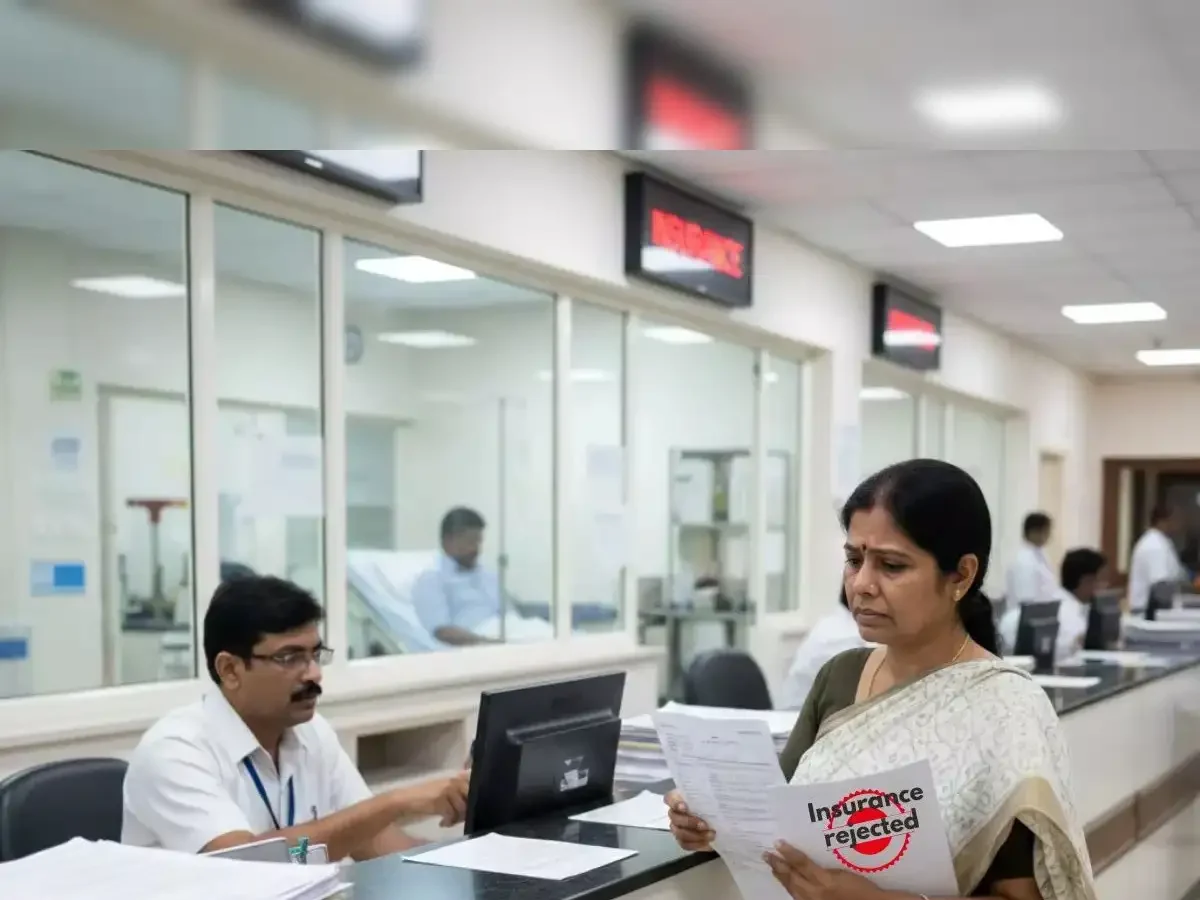
Health Insurance Claim Rejected Due to Waiting Period in India
You buy health insurance thinking you are covered from day one. A medical emergency happens, you file a claim, and then comes the rejection letter. Reason mentioned: waiting period.
For many policyholders, a health insurance claim rejected due to waiting period feels unfair and confusing. Premiums are paid, policy is active, yet the claim is denied.
The problem is not always the insurer. Most of the time, it is a misunderstanding of how waiting periods actually work in Indian health insurance policies.
What Is a Waiting Period in Health Insurance?
A waiting period is a specific time during which certain treatments, diseases, or conditions are not covered, even though your policy is active.
This means coverage exists, but benefits are restricted for selected situations.
Waiting periods are not hidden clauses. They are standard across almost all health insurance policies in India.
Types of Waiting Periods You Should Know
Different waiting periods apply to different situations. Mixing them up is where most problems start.
Initial Waiting Period
Usually the first 30 days from policy start date.
Except for accidents, no hospitalization is covered during this period.
Pre-Existing Disease Waiting Period
Applies to diseases that existed before buying the policy.
This waiting period can range from 2 to 4 years depending on the insurer and policy.
Specific Disease Waiting Period
Some conditions like hernia, cataract, piles, sinusitis, and joint issues have fixed waiting periods even if they are not pre-existing.
This is the most common reason for insurance claim rejected for waiting period.
Maternity and Certain Treatments
Maternity, infertility treatments, and some advanced procedures have longer waiting periods, usually 2 to 4 years.
Why Insurers Reject Claims Due to Waiting Period
From the insurer’s perspective, waiting periods protect against misuse and immediate high-cost claims.
Claims are rejected when:
- The treatment falls within a defined waiting period
- The policy duration is shorter than required
- The disease category matches excluded timelines
Most rejections happen because policyholders assume “policy active” means “everything covered”.
A Common Scenario Seen in India
A policyholder buys health insurance in January. In August, they undergo surgery for hernia. The claim is rejected.
The policy was active, premiums were paid, and hospitalization was genuine. Still, the claim was denied.
Why?
Because hernia is usually covered only after completing a specified waiting period, often two years.
This kind of waiting period health insurance claim India issue is extremely common.
Is Waiting Period Claim Rejection Always Valid?
Not always.
As per insurance principles regulated in India, insurers must apply waiting periods strictly as defined in the policy wording.
Claim rejection becomes questionable when:
- The disease is wrongly classified
- Waiting period calculation is incorrect
- Medical condition does not match listed diseases
Many disputes arise due to interpretation, not policy violation.
Waiting period is only one of many reasons insurers reject claims. You should also understand other insurance claim denial reasons in India to see whether your rejection is actually justified.
Difference Between Waiting Period and Pre-Existing Disease
This confusion causes unnecessary panic.
- Waiting period applies to specific diseases regardless of history
- Pre-existing disease depends on diagnosis before policy start
A disease can fall under waiting period even if it was never pre-existing.
If the insurer mentions pre-existing illness along with waiting period, read this guide on health insurance claim rejection due to pre-existing disease to verify whether the rejection is valid.
Insurers sometimes mix these terms, so policyholders must verify the exact reason mentioned in rejection.
How to Check If Waiting Period Really Applies
Before accepting rejection, do this:
- Check policy start date
- Confirm treatment date
- Identify disease category in policy wording
- Match waiting period duration mentioned
Small calculation errors by insurers are not uncommon.
What to Do If Your Claim Is Rejected Due to Waiting Period
Step 1: Ask for Written Explanation
Request a rejection letter clearly mentioning the waiting period clause.
Step 2: Review Policy Brochure and Wording
Focus on the “waiting period” section, not marketing material.
Step 3: Verify Disease Classification
Ensure the treatment actually falls under the specified disease list.
Step 4: File a Clarification or Appeal
If there is ambiguity, submit an appeal explaining why waiting period should not apply.
If you believe the waiting period has been applied incorrectly, follow the proper appeal process for insurance claim denial in India to request a review.
Internal link suggestion: Add link here to Appeal Insurance Claim Denial in India.
Mistakes Policyholders Commonly Make
- Assuming waiting period applies only to pre-existing diseases
- Not reading disease-specific waiting lists
- Accepting rejection without checking policy wording
- Missing appeal timelines
How to Avoid Waiting Period Issues in Future
Waiting periods cannot be removed, but their impact can be reduced.
- Buy insurance early in life
- Maintain continuous coverage
- Upgrade policy instead of switching frequently
- Ask insurer about disease-specific waiting periods before buying
Time is the biggest ally when it comes to waiting periods.
Why Waiting Period Confuses Even Educated Policyholders
Waiting period confusion is not limited to first-time buyers. Even people who read policy brochures carefully often misunderstand how waiting periods actually work.
The main reason is that waiting period rules are scattered across different sections of the policy document. Some are mentioned under exclusions, some under benefits, and some in disease-specific tables.
Most people remember only the 30-day initial waiting period and assume everything else works like normal coverage. This assumption leads to unpleasant surprises at the time of claim.
Waiting Period vs Policy Exclusion: Not the Same Thing
Another common misunderstanding is treating waiting period as a permanent exclusion.
They are very different.
- Waiting period means coverage is postponed for a limited time
- Policy exclusion means coverage is permanently not available
For example, cataract surgery may not be covered for the first two years due to waiting period, but it becomes payable after that.
In contrast, cosmetic surgery is usually excluded permanently.
Many claim disputes arise because insurers use exclusion-like language while actually applying waiting period rules.
How Hospitals and Doctors Contribute to Waiting Period Rejections
Hospitals play an indirect but important role in waiting period claim rejections.
Discharge summaries and admission notes often include phrases like:
- “Patient has long-standing condition”
- “History of symptoms”
- “Chronic presentation”
These phrases are medical observations, not insurance conclusions. However, insurers sometimes rely heavily on this language to classify a condition under waiting period.
If such wording is inaccurate or loosely written, it can weaken your claim.
This is why reviewing discharge summaries before submission is always advisable.
Waiting Period Calculation Errors That Actually Happen
Not all waiting period rejections are correct.
In some cases, claims are delayed or stuck due to internal reviews. You should know what it means when a health insurance claim goes under investigation in India.
In real cases, errors happen due to:
- Incorrect policy start date considered
- Ignoring portability credit from previous insurer
- Wrong disease category mapping
- Misreading policy version or rider terms
Even a few days’ miscalculation can make the difference between approval and rejection.
Policyholders who blindly accept rejection letters often miss these errors.
Impact of Policy Portability on Waiting Period
If you have ported your health insurance policy, waiting period rules change.
As per insurance portability norms:
- Completed waiting periods must be carried forward
- Insurers cannot reset waiting period arbitrarily
- Only additional sum insured may have fresh waiting period
Many insurers incorrectly apply fresh waiting periods even after portability.
If your claim is rejected despite completing waiting period in your previous policy, this becomes a strong ground for dispute.
When Waiting Period Should Not Apply
There are situations where insurers wrongly apply waiting period even though it should not apply.
Examples include:
- Accidental injuries treated surgically
- Emergency procedures unrelated to listed diseases
- Complications arising suddenly without prior symptoms
Waiting period is disease-specific, not treatment-specific. This distinction is often ignored.
How to Strengthen Your Case If Waiting Period Is Disputed
If you believe the waiting period has been applied incorrectly, focus on evidence, not arguments.
Useful documents include:
- Doctor’s note clarifying sudden onset
- Medical records showing first diagnosis date
- Past health check-up reports (if available)
- Policy portability certificate, if applicable
Clarity and consistency matter more than volume of documents.
Why Many Waiting Period Appeals Fail
Appeals are rejected not because policyholders are wrong, but because appeals are weakly drafted.
Common reasons for failure:
- Emotional language instead of factual explanation
- Not addressing policy clause directly
- Ignoring disease definition section
- Submitting incomplete medical clarification
An appeal should focus on interpretation, not sympathy.
Waiting Period Issues in Group and Employer Health Insurance
Waiting period rules are different in group health insurance policies.
Many employer-provided policies:
- Waive initial waiting period
- Reduce or remove disease-specific waiting periods
- Cover pre-existing diseases from day one
However, this depends entirely on employer-negotiated terms.
Employees often assume coverage is comprehensive and skip checking the group policy wording, which leads to claim surprises.
What Changes After Waiting Period Is Completed
Once waiting periods are completed, claim approval rates improve significantly.
After this stage:
- Disease-specific exclusions reduce
- Insurer scrutiny reduces
- Claim settlement becomes smoother
This is why continuity of coverage is so important in health insurance.
Why Waiting Period Is a Design Feature, Not a Trick
It is easy to assume waiting period is designed to deny claims.
In reality, waiting periods help insurers:
- Price premiums affordably
- Avoid adverse selection
- Maintain long-term sustainability
The problem is not the waiting period itself, but lack of clarity at the time of purchase.
Key Takeaway Before FAQs
Waiting period is a time-based filter, not a judgment on your medical condition.
If applied correctly, it is fair. If applied incorrectly, it is challengeable.
Understanding policy wording, disease lists, and timelines is the only way to avoid frustration and unnecessary financial stress.
FAQs: Health Insurance Claim Rejected Due to Waiting Period
Can a claim be rejected even if policy is active?
Yes, if the treatment falls within a defined waiting period.
Does renewal remove waiting period?
No. Waiting period is removed only after completing the required duration.
Are waiting periods same for all insurers?
No. Duration and disease lists vary by policy.
Can waiting period rejection be challenged?
Only if applied incorrectly or disease classification is wrong.
If your claim is partially approved after dispute, this guide on partial settlement of health insurance claims will help you understand whether the deduction is correct.
Conclusion: Waiting Period Is a Time Test, Not a Trap
A health insurance claim rejected due to waiting period is frustrating, but in most cases it is linked to policy design, not claim misuse.
Understanding waiting periods before hospitalization saves disappointment later.
Check policy wording, question incorrect rejections, and remember that once waiting periods are completed, coverage becomes far stronger.