Health Insurance Claim Rejected Due to Room Rent Limit? What You Must Do in India
You thought your health insurance would cover your hospital bill. But after discharge, you receive a shock — the claim is reduced or partially rejected because of something called room rent limit.
If this has happened to you, you’re not alone. Thousands of policyholders in India face deductions due to room rent sub-limits, often without fully understanding how it works.
In this detailed guide, we’ll explain why this happens, how insurers apply proportionate deductions, and what steps you can take to reduce financial loss.
What Is Room Rent Limit in Health Insurance?
Room rent limit is a cap placed by the insurance company on how much they will pay per day for your hospital room. For example:
- ₹3,000 per day room rent limit5
- 1% of Sum Insured per day
- Single private AC room allowed
If you choose a room that exceeds this limit, the insurer may apply something called proportionate deduction.
This is where most policyholders get confused.
How Proportionate Deduction Works
Let’s say your policy allows ₹3,000 per day for room rent.
You select a room costing ₹6,000 per day.
Now the insurer says you exceeded the allowed category by 100%.
Instead of only reducing the extra ₹3,000, they may reduce:
- Doctor consultation charges
- Surgery fees
- Nursing charges
- OT charges
- Investigation costs
Yes — the deduction applies to the entire bill proportionately.
That’s why many people think their claim was “rejected”, when technically it was partially settled.
You can also read more about partial settlements here:
Partial Settlement of Health Insurance Claim – What It Means
Why Insurers Apply Room Rent Deductions
Insurance policies are contract-based. If your policy wording clearly states room rent cap, the insurer is legally allowed to apply deductions.
Many older policies in India still carry sub-limits. Even some corporate group policies have hidden caps.
Unfortunately, most agents never explain this at the time of sale.
Is This a Claim Rejection or Claim Reduction?
Important difference:
- Claim Rejection → Entire claim denied
- Claim Reduction → Claim approved but amount reduced
If your claim was fully denied for another reason, check this guide:
Health Insurance Claim Denied – What To Do
But if the settlement letter mentions “room rent exceeded” or “proportionate deduction applied”, then your case falls under room rent sub-limit.
Common Signs Your Claim Was Reduced Due to Room Rent Limit
- Settlement amount much lower than expected
- Mention of “proportionate deduction” in claim letter
- Reference to “room eligibility exceeded”
- Deduction applied on surgery charges also
Always read the claim settlement summary carefully. Many people miss this line and assume insurer cheated them.
What You Should Do Immediately
First — don’t panic.
Second — collect these documents:
- Policy schedule copy
- Policy wording document
- Claim settlement letter
- Final hospital bill breakup
Now verify whether your policy actually had room rent limit.
If yes, check if deduction percentage is correctly calculated.
Sometimes insurers make calculation errors.
While reviewing your policy, also check if any waiting period clause was applicable. Here’s a clear explanation of health insurance claim rejection due to waiting period in case that was mentioned in your settlement letter.
Can You Challenge Room Rent Deduction?
It depends.
If your policy clearly mentions room rent cap and you exceeded it, your chances of full reversal are low.
However, you can challenge if:
- Policy wording is unclear
- No cap mentioned in schedule
- You were forced to take higher room due to emergency
- ICU charges wrongly categorized
You can follow the formal appeal process explained here:
How To Appeal Insurance Claim Denial in India
What If ICU Charges Were Deducted?
ICU rent is usually separate from normal room rent.
Many policies allow higher ICU limit (like 2% of sum insured).
If ICU deduction was applied incorrectly, you can raise dispute with:
- Insurance grievance cell
- Insurance Ombudsman
- IRDAI complaint portal
Does IRDAI Allow Proportionate Deduction?
Yes, insurers are allowed to apply deductions if mentioned in policy terms.
But they must clearly disclose sub-limits and cannot arbitrarily deduct without policy basis.
If you suspect unfair deduction, escalate step by step.
How To Avoid Room Rent Deduction in Future
This is where smart planning matters.
When buying new health insurance policy:
- Choose policy with “No Room Rent Limit”
- Avoid 1% sum insured cap plans
- Read policy brochure carefully
- Ask written confirmation from agent
Modern comprehensive policies usually offer single private room eligibility without sub-limit.
It may cost slightly more premium, but saves lakhs during hospitalization.
For an Example
Sum insured: ₹5,00,000
Room rent limit: ₹5,000 per day
Actual room selected: ₹8,000 per day
Difference: 60% higher
Total hospital bill: ₹3,00,000
Insurer may reduce entire admissible expenses by 60% proportionately.
Final payout: around ₹1,80,000 instead of ₹3,00,000
This is why room rent selection matters so much.
When It Becomes a Serious Financial Issue
Room rent deduction hurts more when:
- Major surgery involved
- Long hospitalization
- High-end private hospital
- Metro cities like Mumbai, Delhi, Pune, Bangalore
Hospital tariffs are linked to room category. Higher room means higher doctor fee automatically.
Emergency Situations
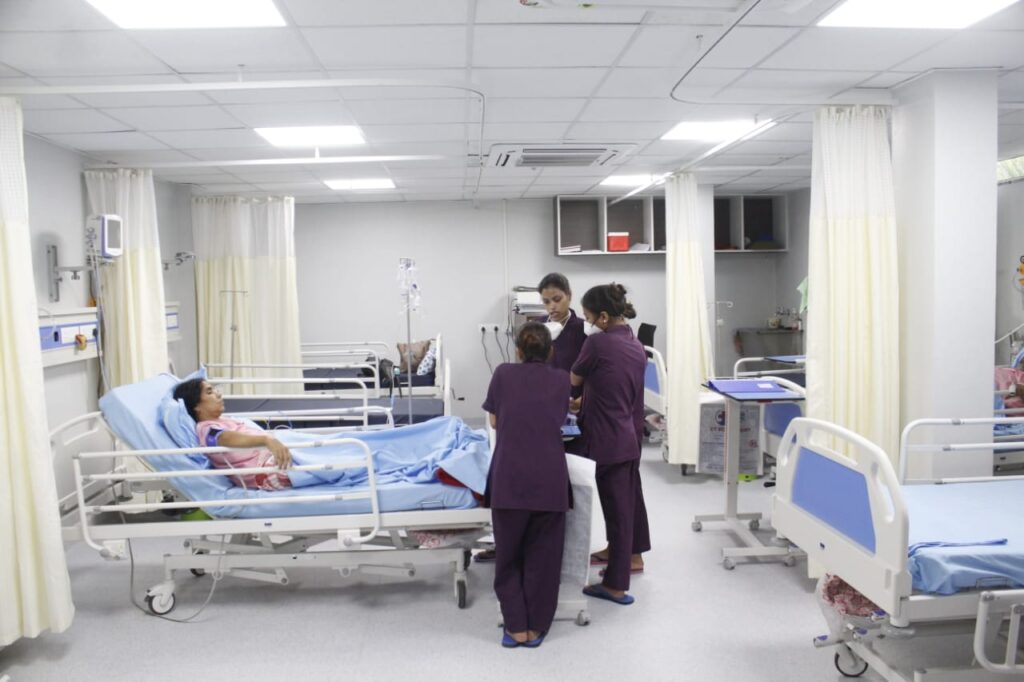
In real emergencies, patients don’t compare room tariffs.
If hospital only had higher category available, get written confirmation from hospital administration.
This may help during dispute escalation.
Why Most People Discover Room Rent Limit Too Late
Let’s be honest — almost nobody reads full policy wording when buying health insurance.
Most buyers compare only premium amount and total sum insured. Agents highlight cashless hospitals and tax benefits. But very few discussions happen around room eligibility.
The problem surfaces only when hospitalization happens.
At that moment, families are emotionally stressed. The focus is on treatment, not on whether the room costs ₹4,500 or ₹6,000 per day. Hospitals also don’t usually warn patients about insurance room caps unless specifically asked.
And that’s how a small clause turns into a big financial surprise.
Corporate Health Insurance Policies and Hidden Sub-Limits
Many salaried individuals assume their employer-provided health insurance has no restrictions. In reality, several group policies include:
- Room rent capped at shared accommodation
- ICU sub-limits
- Surgery-specific caps
- Disease-wise limits
Because employees do not receive full policy wording, they remain unaware of these limits.
If your corporate claim was reduced due to room category mismatch, request the complete master policy document from your HR department. You have the right to review it.
Understanding your group policy today can prevent future deductions.
Does Choosing a Higher Room Always Trigger Full Deduction?
Not necessarily.
Some modern insurers apply proportionate deduction only on room-linked expenses, not on the entire bill. Others strictly apply percentage reduction on almost all admissible costs.
The key difference lies in the policy wording.
This is why two people hospitalized in the same hospital, with similar bills, may receive different settlement amounts — depending on their insurer’s terms.
Never compare your settlement with someone else’s without checking policy clauses first.
Sometimes insurers combine room rent deductions with other technical reasons like exclusions. You can check this explanation of claim rejection due to policy exclusions to understand how different clauses impact settlements.
The Psychology Behind Room Selection
Hospitals typically offer multiple categories:
- General ward
- Twin sharing
- Single private non-AC
- Single private AC
- Deluxe / Suite
Families often assume better room equals better treatment. In most cases, the medical treatment remains the same. The difference is mainly comfort and privacy.
However, hospital billing structures are linked to room type. When you upgrade room category, consultation charges and procedure charges often increase automatically.
This billing structure is one of the core reasons insurers apply proportionate deduction — because the overall treatment cost inflates with room selection.
What Happens If You Shift Rooms During Hospitalization?
Suppose you start in ICU and later move to a private room. Or you shift from shared room to deluxe category mid-treatment.
Insurers usually calculate eligibility based on the highest room category occupied.
Even a one-day upgrade can impact overall admissibility.
Before shifting rooms, always confirm insurance implications with the hospital billing desk.
Small Difference, Big Impact: A Practical Comparison
Consider this example:
Room rent eligibility: ₹4,000 per day
Selected room: ₹4,800 per day
The difference appears minor — just ₹800 extra.
But if the insurer applies 20% proportionate deduction on a ₹2,50,000 hospital bill, your reduction could cross ₹50,000.
What seemed like a small comfort upgrade becomes a large financial burden.
This is why understanding room eligibility is critical before admission.
When Insurers May Show Flexibility
There are situations where insurers may consider waiver or partial relaxation:
- No lower category room available in hospital
- Medical necessity certified by doctor
- Emergency admission at night
- Minor excess over limit
In such cases, written justification from hospital can support your request.
While approval is not guaranteed, many policyholders have successfully negotiated partial reversal through grievance escalation.
How to Draft a Strong Representation Letter
If you believe deduction was unfair, your written complaint should:
- Mention policy number and claim reference number
- Quote relevant clause from policy wording
- Explain medical urgency or room unavailability
- Attach hospital confirmation letter
- Request re-evaluation clearly and politely
A structured and factual representation has better success than emotional arguments.
Long-Term Strategy: Upgrade Smartly
If your current policy has room rent cap, consider these options at renewal:
- Migrate to plan without sub-limit
- Increase sum insured if room cap is percentage-based
- Port policy to insurer offering no room restrictions
Health insurance regulations in India allow portability benefits. You don’t necessarily have to stay stuck with outdated plan features.
Reviewing your policy annually is a smart financial habit.
The Bottom Line
Room rent limit is not always unfair — but it is often misunderstood.
Insurance is a contract. And contracts depend on details.
Understanding those details before hospitalization is ideal. Understanding them after deduction is still better than ignoring them.
Whether your claim was reduced due to room rent cap or you want to avoid future issues, awareness is your strongest protection.
One clause, one decision at hospital admission, can change your entire reimbursement outcome.
Frequently Asked Questions
Is room rent deduction legal in India?
Yes, if mentioned clearly in policy wording. Insurers can apply proportionate deduction as per contract terms.
Can I get full claim if I exceed room rent by small amount?
Sometimes insurers waive minor excess. But it is not guaranteed. You must request in writing.
Does cashless claim also get reduced due to room rent limit?
Yes. Even in cashless, insurer approves only eligible amount. Balance must be paid by patient.
Will new policies remove room rent cap?
Many modern comprehensive plans offer no sub-limit. Always confirm before purchase.
Final Thoughts
Room rent limit is one of the most misunderstood clauses in Indian health insurance policies.
It doesn’t always mean your claim was rejected — but it can significantly reduce payout.
Before hospitalization, always check your eligibility.
After settlement, always review deduction calculation carefully.
And when buying next policy — choose wisely.
Because one small clause can change your entire claim experience.