
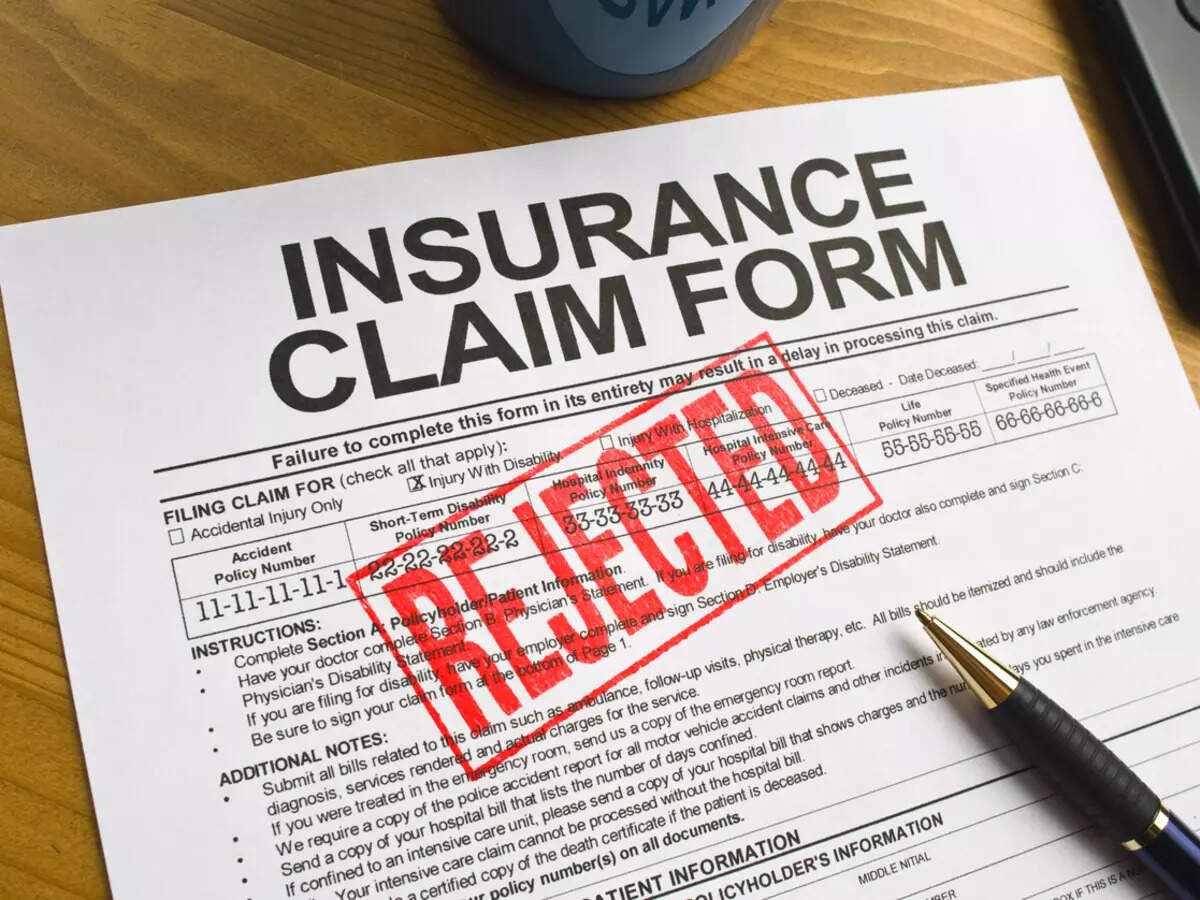
Health insurance claim rejected hospital not sharing documents India is a frustrating situation many policyholders face during reimbursement or claim verification. You complete the treatment, pay hospital bills, and submit your claim expecting reimbursement — but suddenly the insurer says important documents are missing.
When you approach the hospital for those records, the hospital delays, avoids, or refuses to provide them properly.
This creates confusion because the policyholder gets stuck between the insurance company and the hospital.
The good news is that in many cases, this issue can still be resolved if handled correctly.
Why Hospital Documents Matter in Insurance Claims
Insurance companies rely heavily on hospital records to verify claims.
These documents help them understand:
- What treatment was provided
- Whether hospitalization was medically necessary
- The exact expenses incurred
If documents are incomplete or unavailable, insurers may delay or reject the claim until verification is completed.
Which Hospital Documents Are Usually Required?
Depending on the claim type, insurers may ask for:
- Discharge summary
- Detailed hospital bills
- Diagnostic reports
- Doctor prescriptions
- Investigation reports
- Operation notes
Even one missing document can create complications.
This is similar to situations explained in
health insurance claim rejected due to missing documents in India, where incomplete paperwork affects claim approval.
Why Hospitals Sometimes Do Not Share Documents
There can be several reasons behind this problem.
1. Pending Bill Settlement
Some hospitals delay documents until all dues are cleared.
2. Administrative Delays
Records departments may take time to prepare or release documents.
3. Incomplete Internal Records
Sometimes hospitals themselves are missing certain reports.
4. Miscommunication
The patient may not know exactly which documents are required.
In most cases, the issue is administrative rather than intentional.
Real-Life Situations Where This Happens
Let’s look at some practical examples.
Case 1: Discharge Summary Delay
You are discharged from hospital but the final summary is not ready.
Case 2: Missing Itemized Bills
The insurer asks for detailed billing breakup, but hospital provides only total bill.
Case 3: Diagnostic Reports Not Shared
Some reports are handled by external labs and not easily available.
Case 4: Emergency Hospitalization
In emergency situations, documentation often becomes disorganized.
These are common scenarios and can affect claim timelines.
Can Insurance Companies Reject Claims Because of This?
Unfortunately, yes.
If the insurer cannot verify treatment details properly, they may:
- Put the claim on hold
- Ask for additional clarification
- Reject the claim temporarily
However, this does not always mean the claim is permanently denied.
What You Should Do Immediately
If the hospital is not cooperating, quick action becomes important.
Step 1: Understand Exactly What Is Missing
Ask the insurer or TPA for a precise list of pending documents.
Step 2: Contact Hospital Records Department
Speak directly with the records or billing department instead of relying only on front desk staff.
Step 3: Keep Written Communication
Request documents through email whenever possible.
Step 4: Submit Available Documents First
Do not wait endlessly. Submit whatever records you already have.
How Written Communication Helps
Many people only communicate verbally with hospitals.
This becomes difficult later because there is no proof of follow-up.
Email communication helps because:
- You have documented proof
- The hospital may respond faster
- It helps during escalation
Even simple written follow-ups can make a difference.
What If the Hospital Keeps Delaying?
If repeated requests do not help:
- Visit hospital administration directly
- Escalate to higher management
- Ask insurer to coordinate with hospital
Sometimes insurers themselves can request records directly from the hospital.
Can Partial Documents Still Help?
Yes, absolutely.
Even if some documents are missing, you should still submit:
- Available bills
- Prescription copies
- Admission records
- Diagnostic reports you already have
This shows that you are cooperating and trying to complete the process.
What If the Claim Goes Under Investigation?
In some cases, incomplete hospital documents may trigger further review.
If that happens, the insurer may investigate the treatment more deeply.
You can understand this process better through
health insurance claims under investigation in India and how such cases are handled.
How to Explain Your Situation to the Insurer
Communication with the insurer should remain calm and professional.
Clearly explain:
- Which documents are unavailable
- Why the hospital has delayed them
- What steps you are taking
Transparency improves credibility.
Can You Appeal Such Rejections?
Yes.
If your claim gets rejected despite genuine efforts, you can request reconsideration or file an appeal.
You can follow the steps explained in
how to appeal insurance claim denial in India.
Simple Tips to Avoid This Problem in Future
To reduce the chances of documentation issues:
- Collect records before discharge
- Ask for itemized bills immediately
- Keep digital copies of everything
- Verify documents before leaving hospital
These small habits can save significant stress later.
What Happens When the Hospital Says Records Are “Not Available”?
This is one of the most frustrating situations for policyholders.
You contact the hospital expecting simple cooperation, but instead you hear responses like:
- “The file is still being prepared”
- “The doctor is unavailable”
- “Records department will contact you later”
Days pass, but the documents still do not arrive.
Meanwhile, the insurer keeps sending reminders asking for pending records.
This delay creates stress because policyholders often feel they have no control over the process.
Why Some Documents Become Difficult to Obtain
Not all hospitals maintain records in the same way.
Large hospitals usually have dedicated documentation systems, while smaller hospitals may rely heavily on manual processes.
Because of this:
- Reports may get delayed
- Files may be incomplete
- Departments may not coordinate properly
Sometimes the issue is simply poor administration rather than intentional refusal.
How Delays Affect Reimbursement Claims More
This problem is especially common in reimbursement claims.
In cashless treatment, insurers often communicate directly with hospitals during hospitalization.
But in reimbursement cases, the responsibility of collecting documents usually falls on the patient.
This means even small hospital delays can affect your entire claim timeline.
If the insurer does not receive records within the required period, they may temporarily close or reject the claim.
What You Should Collect Before Leaving the Hospital
One practical step many people overlook is collecting documents before discharge.
Before leaving the hospital, try to confirm that you have:
- Final discharge summary
- Itemized bills
- Prescriptions
- Investigation reports
Many people assume these documents can be collected later easily, but that is not always true.
Taking a few extra minutes before discharge can prevent weeks of stress later.
Can Email Proof Help During Claim Disputes?
Yes, absolutely.
If the hospital keeps delaying documents, email communication can help show that you made genuine efforts to provide records.
For example:
- Email requests sent to hospital
- Reminder messages
- Responses from records department
These communications may help if you later need to explain delays to the insurer.
How Persistence Often Solves the Problem
Many policyholders give up too early because the process feels exhausting.
But hospitals often respond faster when follow-up is regular and organized.
Simple actions like:
- Calling consistently
- Sending polite reminders
- Escalating to administration
can improve response significantly.
Persistence matters more than aggression in such situations.
Why Patients Often Feel Helpless
One of the biggest frustrations in such situations is feeling caught in the middle.
The insurer asks for documents.
The hospital delays them.
Meanwhile, the policyholder waits anxiously for claim approval.
This emotional stress is completely understandable.
But staying organized and following up consistently often helps resolve the issue faster.
How Hospitals Usually Respond After Escalation
In many cases, hospitals respond faster once:
- Formal written requests are made
- Higher administration gets involved
- The insurer directly follows up
This is why persistence matters.
A Practical Insight Most People Miss
Many claim problems are not caused by policy exclusions or fraud.
They happen because of incomplete coordination between hospitals, insurers, and patients.
Once communication improves, claims often move forward smoothly.
In many cases, a health insurance claim rejected hospital not sharing documents India issue happens because important medical records are delayed or incomplete during verification.
Final Thoughts
Facing a health insurance claim rejected hospital not sharing documents India situation can feel stressful and unfair, especially when you have already completed treatment and paid expenses.
But in many cases, the issue can still be resolved through proper follow-up, documentation, and communication.
The key is to stay proactive, keep written records, and work systematically with both the hospital and insurer.
A delayed document does not always mean a permanently rejected claim.