
Health Insurance Claim Rejected Due to Treatment Not Covered – What You Should Do in India
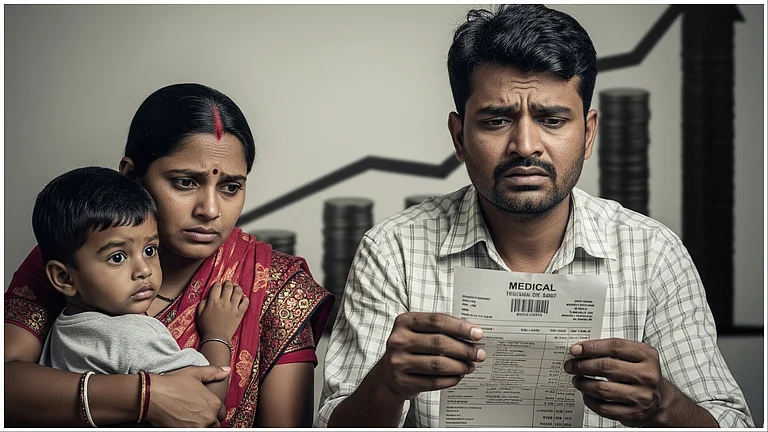
You go through a hospital treatment believing your health insurance will cover the expenses. Later, when the claim decision arrives, the insurer says the claim cannot be paid because the treatment is not covered under the policy.
For many policyholders, this is one of the most frustrating claim experiences. The treatment was real, the hospital bill is genuine, yet the insurance company refuses to reimburse the expense.
If you have faced this situation, understanding the reason behind the rejection is the first step. In this guide, we will explain why insurers deny claims for certain treatments and what actions you can take if you believe the rejection was unfair.
What Does “Treatment Not Covered” Actually Mean?
Every health insurance policy is built around a defined list of covered and excluded treatments. When a claim is rejected with the reason “treatment not covered,” it usually means the procedure or medical service falls outside the scope of coverage mentioned in the policy document.
Insurance companies rely on policy wording to determine eligibility. If a treatment falls under an exclusion category or is not mentioned in the coverage list, the insurer may decline the claim.
Many treatments fall under exclusion clauses written in the policy document. If your claim was denied for this reason, you may want to understand how policy exclusions can lead to health insurance claim rejection and what options policyholders have.
This is not always obvious to policyholders because many people assume health insurance covers every medical treatment performed in a hospital.
In reality, policies often include several limitations.
Common Treatments That May Not Be Covered
Although each insurance policy has its own wording, there are certain treatments that frequently fall outside standard coverage.
- Cosmetic or aesthetic procedures
- Dental treatments not related to accidents
- Fertility treatments such as IVF
- Experimental or unproven therapies
- Certain wellness or lifestyle procedures
In some modern policies, these treatments may be partially covered through add-on riders or specialized plans. But in basic health insurance policies, they often remain excluded.
Because of this, a claim rejection does not necessarily mean the insurer acted incorrectly. It may simply reflect the contract terms.
Why Many Policyholders Are Surprised by This Rejection
Most health insurance purchases happen quickly. People focus on premium amount, network hospitals, and tax benefits. Very few read the detailed policy wording.
Agents may also summarize benefits rather than explain every exclusion clause.
The problem only appears when hospitalization happens. At that point, the expectation is that the insurance company will cover the cost.
When the claim decision later mentions “treatment not covered,” it feels like an unexpected rule appearing out of nowhere.
In reality, the clause was already present in the policy document — it just wasn’t noticed earlier.
Situations Where the Rejection Might Be Incorrect
Not every “treatment not covered” rejection is automatically correct.
Sometimes insurers rely on procedure codes or hospital descriptions that do not fully reflect the medical necessity of the treatment.
For example, a procedure that looks cosmetic on paper might actually be medically required due to a health condition.
In other cases, the hospital may have categorized the treatment incorrectly while submitting documents.
This is why reviewing the claim decision carefully is important before accepting the rejection.
First Step: Read the Policy Clause Carefully

Before escalating the matter, check the exact clause mentioned in the rejection letter.
Look for the section that explains exclusions or non-covered treatments. Compare it with the procedure performed during hospitalization.
Ask yourself a few basic questions:
- Does the policy explicitly exclude this treatment?
- Was the procedure medically necessary?
- Is there any condition under which the treatment becomes eligible?
This small review can help you understand whether the rejection is clearly justified or worth questioning.
If your insurer has completely refused to pay the claim, it helps to review the broader steps explained in this guide on what to do when a health insurance claim is denied before deciding how to escalate the matter.
Discuss the Case with Your Doctor or Hospital
Hospitals deal with insurance claims regularly, and their billing departments are usually familiar with how insurers interpret certain procedures.
If your claim was rejected because the treatment is “not covered,” speak with the hospital insurance desk or treating doctor.
They may be able to clarify:
- Whether the treatment description was accurate
- Whether additional medical justification can be provided
- Whether supporting documents were missing
A clarification letter from the doctor explaining the medical necessity of the treatment can sometimes help when requesting reconsideration.
Ask the Insurance Company for Detailed Explanation
If the rejection message simply states “treatment not covered,” request a more detailed explanation from the insurer.
A proper response should include:
- The policy clause applied
- The treatment code referenced
- The reason the insurer believes the treatment falls under exclusion
Clear documentation allows you to evaluate whether the decision matches the policy wording.
If the explanation appears inconsistent with the policy terms, you may consider raising a formal grievance.
Another common reason claims get declined is the waiting period clause. If the treatment was related to a condition that appeared soon after purchasing the policy, you may want to read about claim rejection due to waiting period to understand how insurers apply this rule.
When the Issue Is Actually a Partial Settlement
Sometimes policyholders assume their claim was rejected, but in reality the insurer approved only a portion of the bill.
This can happen if part of the treatment was covered while another part was not.
If your claim was reduced rather than fully rejected, you may want to review this guide on
partial settlement of health insurance claims to understand how deductions are applied.
Knowing the difference between rejection and reduction helps you decide the next step.
Sometimes insurers approve only part of the claim rather than rejecting it entirely. This situation is known as a partial settlement of a health insurance claim, where certain treatment expenses may be considered ineligible.
How to Raise a Grievance with the Insurance Company
If you believe the treatment should have been covered, you can submit a written grievance to the insurer.
Your complaint should include:
- Policy number and claim number
- Date of hospitalization
- Description of treatment received
- Reason you believe the rejection is incorrect
- Supporting medical documents
Insurance companies usually review grievances through an internal claims review team.
Providing clear documentation increases the chance of a fair reassessment.
Escalating the Matter if the Dispute Continues
If the insurer’s response does not resolve the issue, you can escalate the complaint further.
Policyholders in India have the option to approach regulatory grievance mechanisms.
You can learn the detailed process in this guide on
filing a complaint against a health insurance company through IRDAI.
This step allows regulatory authorities to review the dispute between you and the insurer.
Understanding the Limits of Health Insurance
One of the biggest lessons many policyholders learn after a claim rejection is that health insurance does not function like an unlimited medical fund.
It is a contract built around defined coverage terms.
The policy specifies what is covered, what is partially covered, and what is excluded entirely.
Understanding these boundaries is essential for managing expectations and avoiding surprises during medical emergencies.
How to Avoid This Problem in the Future
While claim disputes can sometimes be resolved, the best strategy is prevention.
When purchasing or renewing health insurance, take a few extra steps:
- Read the exclusions section carefully
- Ask the insurer about treatment coverage limits
- Check if optional riders cover specialized procedures
- Keep copies of policy documents for reference
Spending time understanding your policy today can prevent confusion later.
A Small Detail That Can Make a Big Difference
Many claim disputes arise not because the insurer intentionally wants to deny a claim, but because the policyholder and the insurance company interpret the treatment differently. What appears to be a routine medical procedure to a patient might fall under a technical exclusion in the policy wording.
This is why even a small detail in medical documentation can influence the claim outcome. For example, the way a doctor describes the condition in the discharge summary or treatment notes may determine whether the procedure is considered medically necessary or categorized as an excluded treatment.
Before accepting a rejection at face value, it is worth reviewing the documents submitted with the claim. Sometimes a missing explanation or incomplete report can lead to misunderstandings during claim assessment.
If you believe the treatment had a clear medical purpose, ask your doctor whether additional clarification can be provided to the insurer. A brief medical note explaining why the treatment was essential for your condition may strengthen your case.
If the insurer’s response remains unsatisfactory even after review, policyholders can escalate the matter through the regulatory process. This guide explains how to file a complaint against a health insurance company through IRDAI step by step.
Final Thoughts
A health insurance claim rejected because the treatment is not covered can feel discouraging, especially after going through a medical procedure and paying hospital bills.
However, the rejection is not always the final word.
By reviewing the policy clause, discussing the case with your hospital, and seeking clarification from the insurer, you can better understand whether the decision was justified.
If necessary, structured grievance channels are available to review disputes.
The key is to approach the situation calmly, gather proper documentation, and understand your policy rights as a policyholder.
Health insurance works best when both the insurer and the insured understand the coverage clearly. Taking time to learn those details can make future claim experiences far smoother.